The introduction of the European drone regulations has changed a number of things for drone owners. For example, you usually have to pass an exam before you are allowed to fly a drone. In addition, product requirements are now set for new drones. New drones must have what is known as the Cx class label, an addition to the CE marking. Since 1 January 2024, the Cx class label has been required to fly in the open category; older drones without a label that were placed on the market before that date may still be used under certain conditions (Dutch central government (Rijksoverheid), veiligdronevliegen.nl; Implementing Regulation (EU) 2019/947, Article 20). This page describes the situation in the Netherlands.
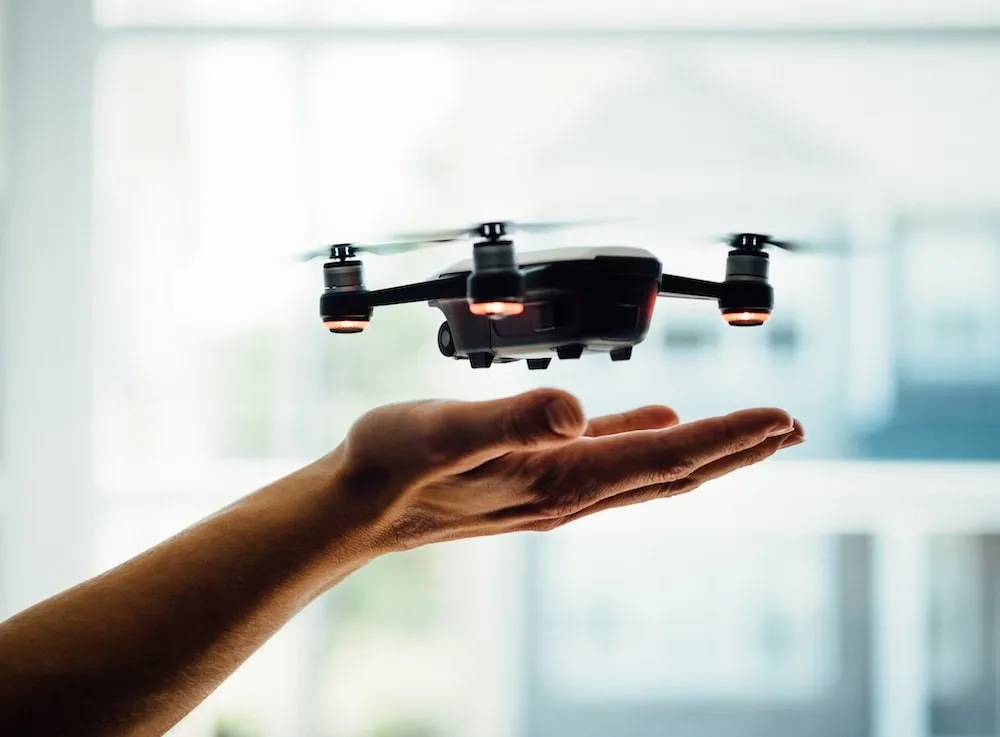
The new Cx class label for drones and the different categories
You have probably heard of the CE marking. CE stands for Conformité Européenne. If a product has the CE label, it means that it meets the European requirements. When a product is placed on the market in Europe, it must therefore have such a CE label. This way you can be sure that you are buying a safe product. Drones for the open category must also have a CE marking (Delegated Regulation (EU) 2019/945).
Under the new regulations, an extra label is added: a Cx class label. Here, x is a number that indicates the subcategory in which the drone has been approved and can be used. A drone that was sold with a CE marking under the old regulations will not necessarily meet the requirements of one of the categories below. Under certain conditions, however, such a drone can still be used. Depending on the category, you need a European drone certificate or extra restrictions apply.
More information about the European drone certificateCategory C0
A drone with a C0 label is a drone that, including camera and battery, weighs less than 250 grams at take-off. These drones cannot fly higher than 120 metres and have a maximum speed of 68 km/h. The drones stay within a radius of 50 metres of the operator if they have a follow-me mode. The drone must meet specific requirements to limit the risk of injury in a collision.
Category C1
A drone in category C1 weighs less than 900 grams at take-off and cannot fly faster than 68 km/h. This drone also cannot fly higher than 120 metres. The drone must have a function that takes over control if the radio link is lost. In addition, the drone must give a warning when the battery level is low.
Drones in category C1 must have a unique serial number, as well as a geofencing system. Here too, the drone must be designed so that it poses a minimal risk of injury in a collision. Furthermore, the drone must have navigation lights, and the European rules set requirements for maximum noise production.
Do you want to fly a drone in category C1? Then you need a European drone certificate. To get one, you have to take a course and pass an exam. Once you have this drone certificate, you are allowed to fly the drone for five years. You may even fly over people, but not over crowds.
Category C2
Drones in this category are heavier than C1 drones, but may not weigh more than 4 kilograms at take-off. They also have a maximum speed of 68 km/h and may not fly higher than 120 metres. The drone must have a function that takes over control if the radio link is lost, it must give a warning when the battery level is low and it must have a unique serial number. A geofencing system is also compulsory.
What is special is that these drones may be designed as tethered drones. In that case it is not necessary to broadcast a remote ID. The tether may not be longer than fifty metres. On top of the European A1 + A3 drone certificate, an additional A2 drone certificate is compulsory.
Category C3
Drones in category C3 may weigh up to 25 kilograms. More or less the same requirements apply to these drones as to a drone in category C2. This drone may also be designed as a tethered drone. An A1 + A3 drone certificate is compulsory. What is special is that with this drone you must keep a distance of at least 150 metres from residential, commercial, industrial and recreational areas. This has to do with the high weight, which brings an extra risk.
Category C4
Drones in this category are a different story. These drones may not weigh more than 25 kilograms. However, they do not have automatic control modes. A geofencing system is not compulsory. Nor is a remote ID compulsory. Operators must have the A1 + A3 drone certificate. As with class C3, it is compulsory to keep a distance from residential, commercial, industrial and recreational areas.
Difference between the European CE marking and the Chinese CE label
The European CE marking is not the same as the Chinese CE label. The European CE marking indicates that a product complies with the applicable rules that apply within the EEA. However, it is not a quality mark, but merely the result of Decision No 768/2008/EC, which replaced the earlier Decision 93/465/EEC.
In recent years, the Chinese CE label has also appeared on more and more products. The Chinese CE label stands for China Export and looks very similar to the European CE marking. The European symbol can be recognised by the slightly larger gap between the two letters. So be careful with Chinese drones that appear to carry the European CE marking. It may be a Chinese label. In that case the drone may not comply with European regulations.
Legacy drones and the transitional rules for drones without a label
Before the introduction of the Cx class labels, drones were sold for which it is not clear which category they belong to and whether or not they meet the requirements of the categories above. Europe has drawn up special regulations for this, which means these drones may still be used. Europe calls these legacy drones. The weight of these legacy drones determines which category the drone falls under.
Legacy drones placed on the market before 1 January 2024 may be used in subcategory A1 with a maximum take-off mass of less than 250 grams, and in subcategory A3 with a maximum take-off mass of less than 25 kilograms (Implementing Regulation (EU) 2019/947, Article 20; veiligdronevliegen.nl). In subcategory A3, a distance of at least 150 metres must be kept from residential, commercial, industrial and recreational areas. The temporary, more lenient rules for legacy drones of up to 2 kilograms (Article 22 of that regulation) have lapsed.
All about the European drone legislationRead also: Rules for low-risk flights.
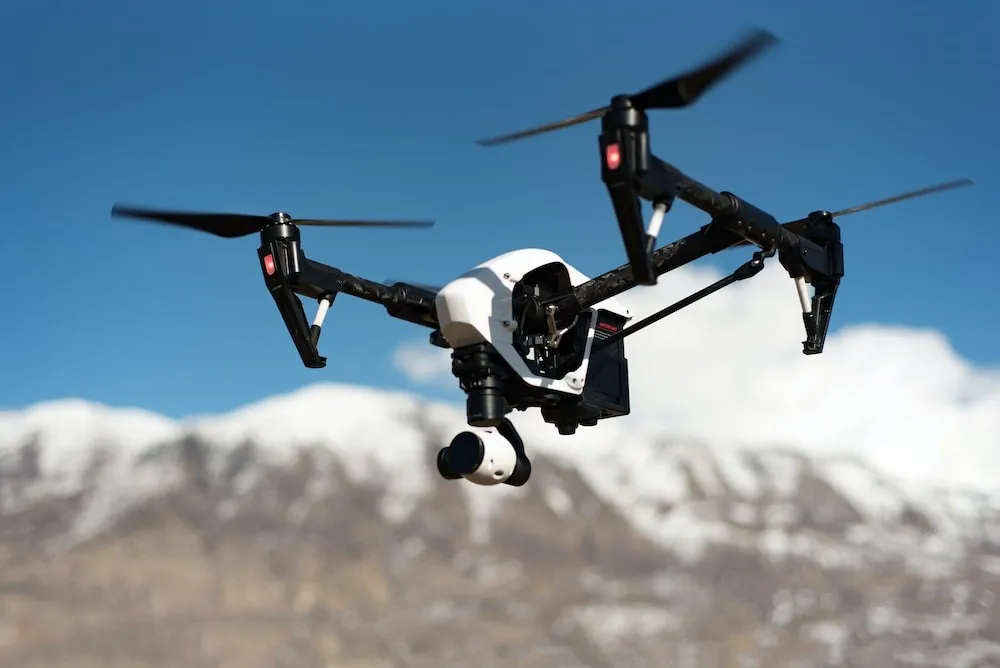
Frequently asked questions about the Cx class label for drones
The European drone legislation has replaced the Dutch rules. Among other things, it introduced the Cx class labels, as well as separate rules for what are known as legacy drones. Below are answers to a number of frequently asked questions about the Cx class label for drones.
Is it still a good idea to buy a legacy drone?
That depends on what you plan to buy. If you buy a drone of less than 250 grams, there is no problem. You will then simply fall under subcategory A1, provided the drone was placed on the market before 1 January 2024. With other drones you fall under subcategory A3, and your options are quite limited. In that case it is actually better to wait and buy a drone with a more favourable Cx class label.
What are the European standards for drones about?
These standards impose requirements on drone manufacturers. The European standards are intended to guarantee the safety of drones in various ways. They relate, among other things, to general product characteristics, (network) remote identification, geo-awareness, lighting, geocaging and flight termination systems. Which requirements apply depends on the category the drone falls under.
What are the ISO standards for drones?
The CE and Cx marking is a European matter; the ISO standards are global standards. Like the European standards, the global standards also impose a number of requirements on drone manufacturers. It seems logical that products are more or less the same all over the world, but that is actually the result of ISO standards like these. The ISO committees also impose very strict requirements on drone manufacturers.
How are the European standards for drones created?
It is the ASD-STAN institute (AeroSpace and Defence Industries Association of Europe) that draws up the standards. It has set up a working group for this. National delegates jointly determine the content in this working group. They base this on the essential requirements first laid down by the European regulation. The technical requirements are worked out by experts, each time in smaller subgroups. Once such a subgroup has worked out a topic, everything goes back to the wider working group.
If the working group gives the green light, a public consultation takes place at the national standardisation institutes. Stakeholders can comment on the requirements via the standardisation institute in their own country. Once all these comments have been processed, the draft standard is put to a vote. A weighted vote applies here: larger member states have a heavier vote.
What does the European drone legislation involve?
The European regulations replace the Dutch drone legislation. The European regulations no longer distinguish between professionals and hobbyists. Instead, Europe divides drones into three categories: open, specific and certified. Drones of up to 25 kilograms belong to the open category. This open category is divided into three subcategories (A1, A2 and A3), each with its own requirements.