Bicycles cost more and more money, especially if you choose an e-bike. That is why it is a good idea to insure your bicycle. In some cases bicycle insurance is even mandatory. There are both fixed-term and ongoing bicycle insurance policies, and it is often possible to add extra modules to the bicycle insurance. The type of bicycle plays an important role in bicycle insurance. This page describes the situation in the Netherlands.
Types of bicycle insurance
There are different types of bicycle insurance. For example, we can distinguish between ongoing bicycle insurance and fixed-term bicycle insurance. Fixed-term bicycle insurance ends after a certain period, for example after three years. Ongoing bicycle insurance continues to apply until you cancel it. Many bicycle insurers also distinguish between standard cover (cover for theft), extended cover (cover for theft and damage) and complete cover (cover for theft, damage and breakdown assistance). The exact conditions can also differ per type of bicycle.
Bicycle insurance for an ordinary bicycle
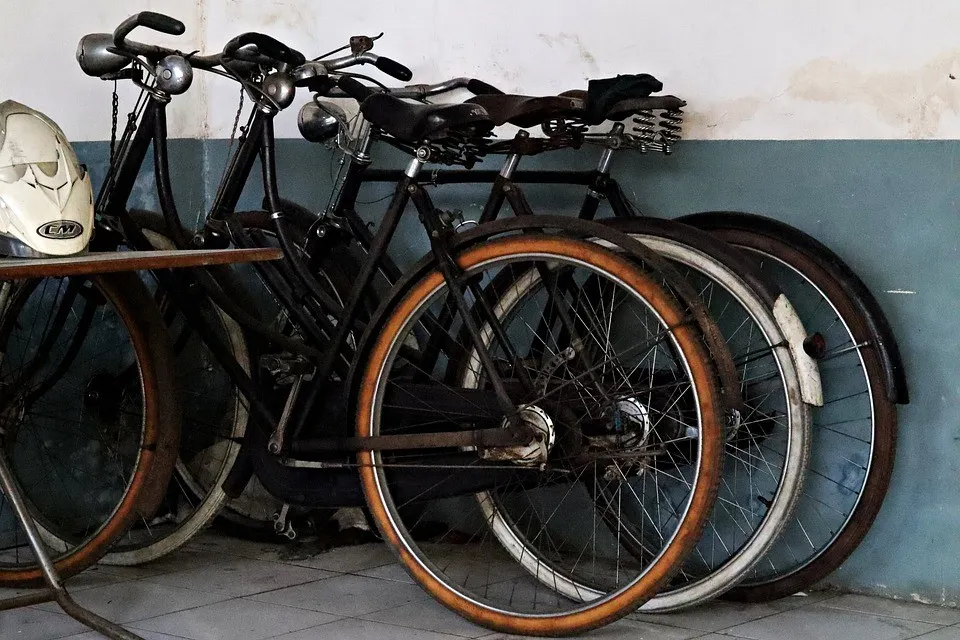
A traditional bicycle is often very cheap to insure. With many insurers there is even no excess at all for a traditional bicycle. The different types of cover (theft, damage and breakdown assistance) are all possible. Do pay attention, though, because additional requirements often apply. For example, you must lock the traditional bicycle with a bicycle lock that meets certain criteria.
Bicycle insurance for a cargo bike (bakfiets)
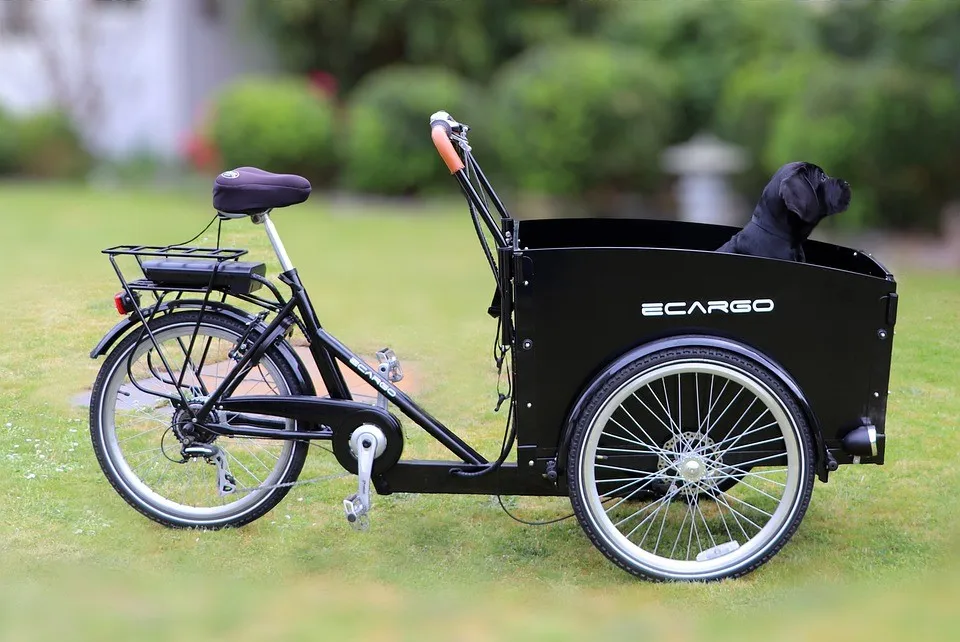
Most bicycle insurers make no distinction between an ordinary bicycle and a cargo bike. This means you can insure a cargo bike just as comprehensively as an ordinary bicycle. A city bike, a "mother's bike" (moederfiets) and a recumbent bike can also mostly be insured on the same terms as an ordinary bicycle. If a bicycle is more expensive, the insurance premium may of course be higher.
Bicycle insurance for an e-bike
More and more people have an e-bike, and bicycle insurers have tailored their insurance offering well to this. As a result, you can insure an e-bike very easily and on favourable terms. Sometimes an excess applies, but that is certainly not the case with all bicycle insurers. Extra requirements are often set for the lock you must use. Because an e-bike is generally more expensive than an ordinary bicycle, the insurance premium will also be somewhat higher. Note: additional rules apply to a speed pedelec. For example, for a speed pedelec you are required to take out third-party liability insurance (WA).
Find out more about insuring your e-bike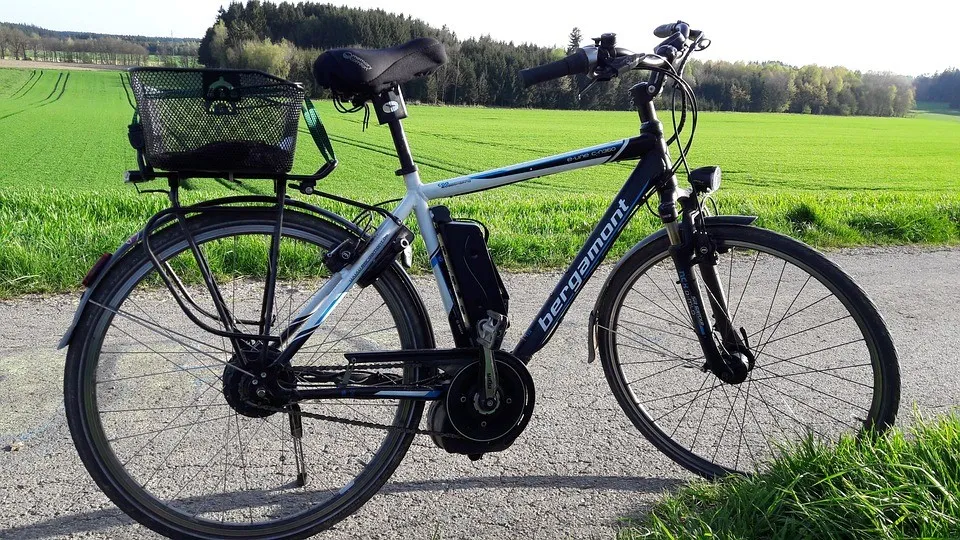
Bicycle insurance for a racing bike or mountain bike
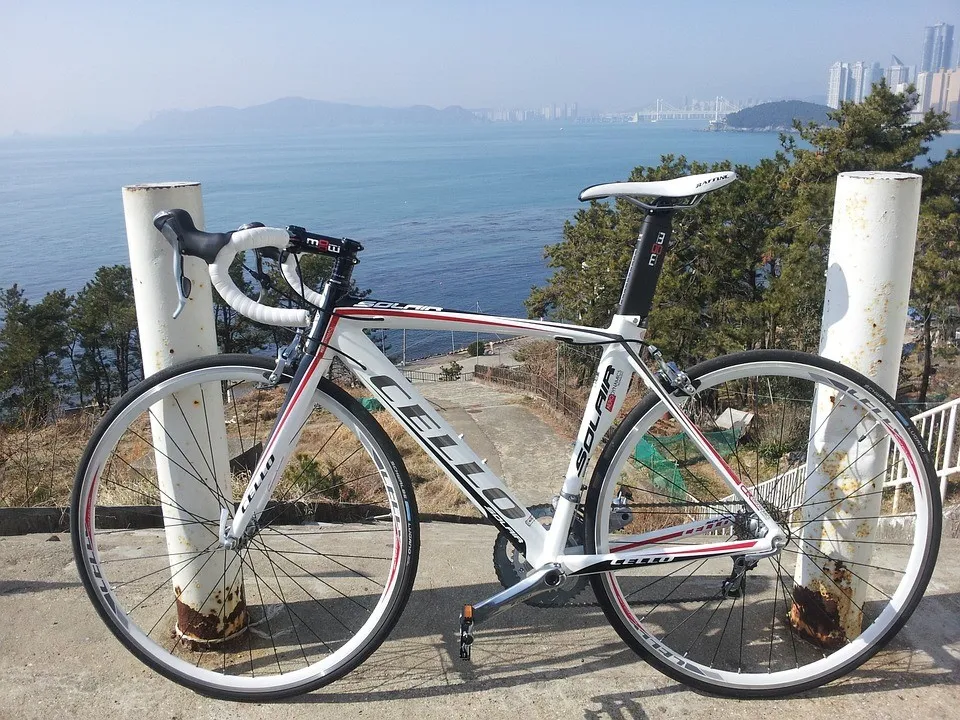
With most insurers it is possible to take out bicycle insurance for a mountain bike or a racing bike. Because these bicycles are used more intensively, the risk of damage is greater than with an ordinary bicycle. This translates into extra strict conditions. For example, many insurers apply an excess for damage to a racing bike or a mountain bike. An excess of 20% of the damage as assessed by the insurer is certainly not unusual.
Modules of bicycle insurance
Bicycle insurance always consists of different modules. Some modules are included as standard in the basic package; other modules can optionally be added to this package. Every insurer has its own approach. Theft, for example, is often insured as standard, but breakdown assistance is not.
Damage
With many bicycle insurers it is possible to insure the risk of damage to the bicycle. Always check which types of damage are and are not covered. Usually this concerns damage that occurs while the bicycle is parked (vandalism and damage from an attempted theft), damage resulting from a collision, damage in an accident and damage that you accidentally caused to the bicycle yourself.
Various types of damage are often excluded, such as damage to the tyres, damage to the chain guard, damage to the lights, damage from scratches and scuffs and so on. This damage may be insured if there is also damage to the rest of the bicycle.
Theft
This module is included as standard in most bicycle insurance policies. Many bicycles are stolen sooner or later, and that is why it is a good idea to insure your bicycle against theft. Bear in mind that additional rules may apply to theft cover. You are usually required to use an approved lock. You may also be required to keep the bicycle indoors at night. In other words, you will have to take a number of measures yourself to prevent theft. If the bicycle is stolen anyway, you must also report it to the police. You can report a stolen bicycle online. For this you need your DigiD (the Dutch digital identity login).
Accessories or battery
With some insurers it is only possible to insure the purchase value of the bicycle excluding accessories. A removable battery is also sometimes not well insured. With other insurers it is possible to insure this properly. When taking out the insurance, you must then state the full value of the bicycle, including such accessories. Of course, this also affects the premium you have to pay.
Note: the way the battery is covered can differ greatly. Some bicycle insurers depreciate the battery by 1.5% per month. Other insurers use a limited depreciation rate of 0.75% per month. There are also insurers that cover a loss of capacity. If the loss of capacity becomes too high, you then get a replacement battery.
Legal assistance
Disputes can arise after a bicycle accident. For example, you may feel that someone else made a mistake and should therefore pay for the damage, while the other party disputes liability. In such cases it will ultimately be the court that must decide who is or is not liable and who must pay for the damage. This leads to legal costs. With legal assistance cover, you get the legal help you need in such cases.
Breakdown assistance
While cycling, you may have a breakdown. With breakdown assistance cover you can always contact an emergency centre, even at night and at weekends. Someone will then come to the scene to repair the bicycle. Sometimes it is not possible to repair the bicycle on the spot. You and your bicycle are then usually dropped off at the location of your choice. A fellow cyclist can also get a lift and does not have to stay behind.
The number of times per year you can call on breakdown assistance is usually limited. It is also possible, for example, that you will only be dropped off within a radius of thirty kilometres of the place where your bicycle broke down. You can then, for example, take the train home. With breakdown assistance cover, repairs on the spot are free. You may have to pay for the replacement parts, though.
Compensation for a loan bicycle
When your bicycle is at the bicycle repair shop, you cannot use it. Sometimes it can take a while before the bicycle is repaired, for example because replacement parts have to be ordered. It is very annoying not to have a bicycle then. That is why it is possible to add compensation for a loan bicycle to your bicycle insurance through an additional module. You then receive compensation to rent a loan bicycle. This compensation is often limited, for example to €5 per day. The number of days on which you are entitled to a loan bicycle may also be limited.
Bicycle insurance with purchase value cover
Normally, bicycle insurance pays out at most the current value of the bicycle. For this, bicycle insurers often use depreciation tables. When you insure the bicycle, you state the amount of the bicycle, and as the bicycle gets older, the insured value decreases. Sometimes it is possible to insure the bicycle at its purchase value for the full term of the insurance. If your bicycle is then stolen after, say, three years, you get the full value of your bicycle back.
Costs of bicycle insurance
It is not always easy to say what bicycle insurance will cost. Many bicycle insurers do quote "from" prices, but sometimes the bicycle insurance ends up considerably more expensive. That is because there are simply various factors that influence the cost of bicycle insurance.
| Criterion | Effect on the premium |
|---|---|
| Chosen modules | The more modules added to the bicycle insurance, the more the bicycle insurance will cost. |
| Type of bicycle | A city bike is often cheaper to insure than a racing bike or a mountain bike, because the risk of damage is greater with such bicycles. |
| Value of the bicycle | The higher the stated value of a bicycle, the more the bicycle insurance will cost. |
| Area of cover | The cheapest bicycle insurance policies only provide cover in the Netherlands, sometimes with extra cover in the border area. European or worldwide cover makes the bicycle insurance more expensive. |
| Period | With ongoing bicycle insurance you pay a limited amount per month. With fixed-term bicycle insurance you pay for a fixed period straight away. Paying straight away is often cheaper in the long run than paying in instalments. |
| Track & trace | More and more bicycles are fitted with a chip. This should make it easier to find the bicycle again if, for example, it is stolen. Some insurers give discounts of up to twenty per cent if the bicycle has such a chip. |
Comparing bicycle insurance
There are countless insurers that offer bicycle insurance. If you are looking for bicycle insurance, it is a good idea to compare these bicycle insurance policies with each other. You should take more than just the price into account, because bicycle insurance policies can sometimes differ greatly in content too.
| Comparison criterion | Explanation |
|---|---|
| Price | Every insurer uses its own rates. The price of bicycle insurance does not always differ that much, but comparing can still produce a nice saving. |
| Discount | Some insurers give commercial discounts, for example because you are already a customer. |
| Theft | With many insurers theft is insured as standard, but additional conditions often apply. Which conditions these are differs per insurer. |
| Damage to the bicycle | Not all types of damage to the bicycle are always (properly) covered. There are always exclusions. What is or is not covered or excluded differs per insurer. |
| Compensation for a loan bicycle | Not every insurer offers compensation for a loan bicycle. The amount of the compensation can also differ. |
| Breakdown assistance | There are always limitations attached to breakdown assistance, for example regarding the number of times you can get help per year. Every bicycle insurer has its own conditions. |
| Insured value | The insured value of a bicycle is always the purchase value. With many insurers, the bicycle is then depreciated. The percentage at which this happens can vary enormously. There are also insurers that pay out the purchase value and do not depreciate the bicycle. |
| Excess | An excess means that you have to pay part of the damage yourself. Some insurers apply an excess as standard; with other insurers an excess can optionally be added. The excess can also differ per type of bicycle. |
| Area of cover | With some bicycle insurers, cover is limited to the Netherlands and the border region. Other insurers offer European or even worldwide cover. |
| Payment | With some insurance policies you have to pay the full premium for a certain period in advance. With other insurers you pay monthly or annually. |
The cyclist in traffic
The cyclist has a special role in traffic. On the one hand the cyclist is a vulnerable road user, but on the other hand the law also simply regards the cyclist as the driver of a vehicle. Among other things, this has consequences for the traffic rules that apply. Of course, we must not forget that cyclists are often involved in traffic accidents. Often these are minor accidents that only result in a few scratches, but when things go wrong, they can go badly wrong. Statistically, a great many cyclists end up in A&E (the emergency department, SEH) or even die in traffic. This has also led the legislator to give them extra legal protection.
Tips for cycling safely
The road authority does a number of things to protect cyclists as well as possible, but you can also do a lot yourself to ensure your safety. For example, make sure you have good bicycle lights, plan a safe route and wear a bicycle helmet. Such a bicycle helmet is in principle not mandatory, but it can save lives. There are situations in which a bicycle helmet is mandatory, for example in triathlon races.
All tips for cycling safelySafety of children on bicycles
While a cyclist is extra vulnerable in traffic anyway, this applies even more to children. Young children are less visible, do not always know the traffic rules well and can sometimes react unexpectedly. That is why it is important to pay extra attention to the safety of children on bicycles.
More information about the safety of children on bicyclesThe main traffic rules at a glance
The bicycle often gets a special place in traffic: the cycle path. There are even cycle highways designed especially for cyclists. Nevertheless, the bicycle still shares the public road with other road users, such as pedestrians and motorists. To make sure everything runs safely and efficiently, traffic rules have been drawn up. Cyclists must also respect these traffic rules.
The main traffic rules for cyclistsBicycle accidents in the Netherlands
Cyclists are at particular risk in traffic. They often have a vulnerable, unprotected place in traffic, while they still reach high speeds and wear little protection. According to Statistics Netherlands (CBS), 281 of the 759 road deaths in 2025 died on a bicycle, around 37%, while cycling only accounts for around 8% of all passenger kilometres. The other figures are even less rosy. Cyclists account for 59% of all A&E treatments after a traffic accident and for 49% of all hospital admissions after a traffic accident.
According to research by VeiligheidNL (the Dutch consumer and product safety institute), around 36% of all bicycle accidents are due to the behaviour of another road user. In 34% of cases the condition of the road is the culprit.
According to SWOV (the Institute for Road Safety Research, Instituut voor Wetenschappelijk Onderzoek Verkeersveiligheid), a bicycle accident usually involves a combination of factors. The road infrastructure plays a role in this. For example, 6% of single-vehicle bicycle accidents are said to be caused by bumps and potholes in the road. SWOV also points out that a bicycle is a balance vehicle that always carries a risk in use, so that many accidents are partly due to these inherent characteristics of the bicycle. Finally, SWOV points to the role of unsafe cycling behaviour, such as riding without bicycle lights, cycling under the influence and smartphone use. The table below, with figures from VeiligheidNL, shows which factors play a role in a bicycle accident (several factors are involved each time, so the table does not add up to 100 per cent).
| Percentage of all bicycle accidents | |
|---|---|
| Problem with the spokes of the bicycle | 11% |
| • Foot or body part of a passenger gets caught in the spokes | 4% |
| Defect in the bicycle | 8% |
| Behaviour of another road user | 36% |
| • Other road user was not paying proper attention | 10% |
| • Other road user did not give way | 5% |
| Cyclist's own mistake | 44% |
| • Inattention | 9% |
| • Steering error | 9% |
| • Distracted by talking to someone while cycling | 4% |
| • Distracted by being in a hurry | 2% |
| • Smartphone use | <1% |
| • Alcohol | 3% |
| • Tiredness | 2% |
| Weather conditions | 20% |
| • Precipitation | 7% |
| • Slipperiness | 5% |
| Condition of the road | 34% |
| • Slippery road surface | 7% |
| • Loose material | 5% |
Liability in an accident between a motor vehicle and a cyclist
Since 1924, motor vehicles have been subject to strict liability, which means that they are always at least 50% liable for the cyclist's damage. This follows from Article 185 of the Road Traffic Act 1994 (Wegenverkeerswet, WVW). However, a number of conditions apply for that article to apply:
- A motor vehicle must be involved in the accident. These are all motorised vehicles with the exception of trains and trams. A trolleybus, mobility scooter, Stint (electric cargo vehicle) or electric scooter (e-step) is also a motor vehicle. Bicycles with pedal assistance fall outside that definition: bicycles with an electric auxiliary motor of a maximum of 0.25 kW whose assistance stops at 25 km/h, or earlier if the rider stops pedalling. An electric bicycle that can also ride without pedalling is therefore a motor vehicle (article 1(1)(c) and (ea) of the Road Traffic Act 1994 (Wegenverkeerswet 1994)).
- The accident must take place on a public road (e.g. not in a private garage or on a building site)
- It must not concern a cyclist who is being transported by another motor vehicle
It could hardly get any crazier, but in other words, the ladies in this video would not enjoy protection under Article 185 WVW. Above all, pay attention to the word "involved" in the first condition. That word indicates that no physical contact is necessary. A motor vehicle can also be involved when, for example, it is stationary, parked or comes racing along with loud music so that a cyclist is startled and falls. For example, the Amsterdam Court of Appeal (Gerechtshof Amsterdam) ruled on 3 March 2020 (ECLI:NL:GHAMS:2020:377 ) that the driver of a car who cut the inside of a bend while turning and startled a cyclist, after which the cyclist fell off the bicycle, broke a wrist and broke the lower leg in two places, was liable under Article 185 WVW.
Problems can also arise when passengers get out of the car, for example to unload a bicycle. The Supreme Court of the Netherlands (Hoge Raad) has already ruled that the passengers lose the protection of the car at that moment and therefore fall under the legal protection of Article 185 WVW. When getting out they become a pedestrian, and when getting on the bicycle they become a cyclist. In both cases Article 185 WVW applies.
In all other cases, for example in an accident between two cyclists or between a cyclist and a tram, Article 185 WVW does not apply.
Liability of the motor vehicle
When these conditions are met, the motor vehicle is always at least 50% liable. That is also the case when the apportionment based on causation would show, for example, that the cyclist was 60%, 80% or even 100% responsible for the damage.
This strict liability in principle rests with the owner or the keeper of the motor vehicle. This means that the strict liability also applies to anyone who lends out the car briefly, but also to anyone who takes insufficient measures to prevent an unauthorised third party from driving the car. In the Haringkar (herring cart) case it even went so far that a car owner was liable for the damage caused to pedestrians and cyclists by a joyrider. The owner had left his car unattended with the keys in the ignition while he was selling herring on the other side of the street.
If the driver of the motor vehicle flees, the Motor Insurers' Guarantee Fund (Waarborgfonds Motorverkeer) may award compensation.
Force majeure as a way out
For the owner or keeper of the motor vehicle there is in principle only one possible way out: the owner or keeper must show that there was force majeure (overmacht). Then they are not liable.
However, case law shows that force majeure is not readily accepted. For example, the courts have already ruled that a defect in the motor vehicle cannot amount to force majeure. The same applies to physical or mental conditions of the driver (e.g. cardiac arrest or an epileptic seizure). Two recent examples illustrate how difficult it is to establish force majeure.
One example is a case (ECLI:NL:RBGEL:2014:1217) in which a lorry with a trailer turns into a street and no cyclist was visible at that moment. This is also confirmed by witness statements. The lorry does so at an appropriate speed of 13.6 km/h. At the moment when the tractor unit has already passed a crossing cycle path and no longer has a view of the traffic situation, a cyclist rides into the trailer and ends up with one leg under a wheel of the trailer. An expert investigation shows that the cyclist either rode through the red light or must have been waiting at the red traffic light for at least three seconds, so that the cyclist should have seen the lorry combination. The court rules that the lorry driver cannot be blamed in any way and rules that there is force majeure.

Another example is a case that came before the Utrecht District Court (Rechtbank Utrecht) in 2010 (ECLI:NL:RBUTR:2010:BN5518). A car was driving at an adapted speed of around 30 to 40 km per hour. The speed limit there was around 50 km per hour. The driver sees a cyclist standing at the side of the road. The driver then decides not to accelerate any further and to wait until he has passed the cyclist. About 50 metres after the cycle crossing, the cyclist suddenly rides onto the road anyway, just in front of the car. According to witnesses, the cyclist never looked back when doing so. At that moment the cyclist was under the influence of alcohol. A blood test by the Netherlands Forensic Institute (Nederlands Forensisch Instituut) showed that the blood contained 2.31 milligrams of alcohol per millilitre, or 2.31 per mille.
The cyclist himself stated that he had previously drunk about 18 beers and one and a half litres of wine. He also later stated that he could not really remember anything about that fateful Sunday. According to the court, the behaviour of a cyclist who crosses 50 metres after a crossing is not so improbable that the driver should not have taken it into account. Because there was recklessness bordering on intent, the apportionment of liability was eventually set at 80/20.
Equity correction
The court can always apply an equity correction (billijkheidscorrectie) to increase the liability of the motor vehicle keeper. As a result, the liability of the motor vehicle keeper can be more than 50%, even when, according to the apportionment based on causation, the cyclist contributed more than 50% to the damage. In doing so, the court takes into account, among other things:
- The seriousness of the mistakes made
- The degree of culpability
- Vulnerabilities of the victim (e.g. mental impairments)
- The age of the victim (both a young and an old age play a role)
- The consequences of the accident
- The Betriebsgefahr (the risk a motor vehicle keeper takes with the vehicle, given its size, weight and speed)
Accident between a motor vehicle and a cyclist under 14
When the cyclist is under 14, the above rules in principle also apply. However, the Supreme Court interprets them in a special way, which means that an equity correction must be applied at the same time. That is why the liability of the keeper of the car is in principle not 50% but 100%.

Force majeure is also possible here, but force majeure is interpreted so restrictively that it only applies when there is intent or recklessness bordering on intent. Even gross carelessness on the part of the child cannot amount to force majeure. Intent should be understood as the situation in which a child acts deliberately and deliberately wants to expose themselves to the risks, which in practice always points to (attempted) suicide. Recklessness bordering on intent is somewhat more abstract. For this, the child must in any case have been aware of the danger and have consciously chosen to expose themselves to it. Proving that kind of awareness remains difficult for the keeper of the motor vehicle in any case.
The age limit of 14 was applied very strictly in the past. The Supreme Court did not agree, for example, to subject children over 14 who are behind in their development to the 100% rule after all. On the other hand, the equity correction mentioned earlier can then be applied.
Not applied to damage in the opposite direction
The above reasoning is only applied to the situation in which a motor vehicle causes damage to a cyclist. In the opposite direction, when a cyclist causes damage to a motor vehicle, these rules are not applied. In that case the standard apportionment based on causation applies.
Special position of parties with a right of recourse
Only the cyclist can invoke the 50% or 100% rule; parties with a right of recourse (regresnemers) cannot. Think of a health insurer that wants to recover the damage it has paid out from the liable party. The insurer will then only be able to recover the damage in line with the actual apportionment based on causation, possibly after applying an equity correction. The automatic increase of liability to 50% or 100% is not applied here.
Liability in an accident between a cyclist and a non-motor vehicle
In this case the standard apportionment based on causation plays a role. In other words, it looks at the extent to which the parties made mistakes and how these mistakes contributed to the damage. No 50% or 100% rule is applied here, not even when the child is under 14. Examples are an accident between two cyclists, an accident between a cyclist and a pedestrian, or an accident between a cyclist and a child on a scooter. Electric bicycles with pedal assistance also fall under this, because they are not motor vehicles. Finally, the same rule applies when the accident with a motor vehicle took place, but on private land. Think, for example, of a mountain biker who is unlawfully on a closed-off private agricultural field and is accidentally hit by a tractor there.
Other liability rules in bicycle accidents
In addition to the common situations above, special situations can always arise in which a third party may still be liable.
This is the case, for example, when a cyclist falls because a child suddenly runs onto the cycle path. In such a case, the liability of the parents comes into play. This reasoning also applies to the owner of a pet.

In addition, the bicycle accident may be the result of problems with the road. Think, for example, of poor road markings or potholes in the road. In such cases the road authority may be liable. However, account must be taken of the requirements that can reasonably be set for the road in the given circumstances. In other words, the road authority is not expected to keep all roads in perfect condition at all times.
Furthermore, the problem may also lie with the bicycle. In the case of a design defect, the manufacturer may then be liable for the damage. The person who lends or rents out the bicycle may also be liable if the bicycle has defects. This will be the case, for example, when the brake pads are worn.
This last reasoning can also be applied to the owner of the motor vehicle (if the owner and the liable keeper are not the same person): an accident caused by poor maintenance of the car may then be attributed to the owner.
Finally, think of the liability of the employer (e.g. for bicycle couriers) or the liability of an organiser in cycle races.
Frequently asked questions about liability in bicycle accidents
Liability in bicycle accidents shows the importance of good liability insurance. We can all be glad that personal liability insurance (AVP) provides the cover you need in most cases. Still, that does not mean that all questions simply fade away, on the contrary. It is important that we answer them.
What if the person responsible has driven off?
Always report it to the police. If the person responsible was driving a motor vehicle, the cyclist is probably entitled to compensation from the Motor Insurers' Guarantee Fund (Waarborgfonds Motorverkeer).
Can another cyclist be liable if they do not commit a clear traffic offence?
Yes. Cyclists must behave as we may expect of a reasonable and careful cyclist. Swerving with the bicycle, braking abruptly, riding on one wheel and so on do not fall under this. Such behaviour can constitute a fault and, if it causes damage, give rise to compensation.
Is a cyclist always extra protected in traffic?
The road authority makes great efforts to protect the cyclist as well as possible, but unfortunately that is not always possible. Sometimes the situation simply does not allow extra protection for the cyclist. That is why it remains important that cyclists also take measures themselves, for example to make sure they are more visible in traffic.
Can a cyclist never be held liable?
Anyone can be held liable, but of course that does not mean that the court will agree and award compensation. In the case of a cyclist, it is certainly possible that a cyclist has to pay for part of the damage. The protection of the cyclist in liability law is limited. In relation to pedestrians and other cyclists, there is not even any protection at all.
What happens if you hit a cyclist?
Then the cyclist will probably fall. There is often personal injury when a cyclist comes off their bicycle. The cyclist is then entitled to compensation. Even if the cyclist made a mistake, the cyclist will often receive (part of the) compensation, especially if a motorist is involved in the traffic accident. The third-party liability (WA) insurer will arrange things.
Who will pay the compensation?
The liable other party or their insurer. With a motor vehicle, this is in principle the third-party liability insurance (WA). In other cases, you need to check whether the other party has liability insurance. More and more people in the Netherlands have such liability insurance, but of course it is possible that this is not the case. In that case, the personal assets of the liable person will be used.
What is the limitation period for a bicycle accident?
The limitation period for a bicycle accident is 5 years. During this period it is possible to obtain compensation. So there is some urgency.
Who is at greater risk of a bicycle accident?
The statistics point to a number of risk factors. Male cyclists have bicycle accidents slightly more often than female cyclists. Age also plays an important role. Young children in particular (10, 11 and 12 years) are at much greater risk. The largest group of victims, however, are cyclists aged 55 to 74. Especially from the age of 70, the risk of a serious bicycle accident increases sharply. Young people have a strikingly high number of accidents during the morning rush hour. Older people, on the other hand, have the most bicycle accidents at night. In addition, risky behaviour, such as smartphone use but also simple inattention, is an important risk factor. Alcohol use is also an important risk factor. In the 18 to 24 age group, alcohol is even involved in more than 30% of bicycle accidents. Being overweight also greatly increases the risk of a bicycle accident. Remember that 29% of respondents say that a bicycle accident could not have been prevented. In other words, in 71% of cases it could have been.