Neighbours can be good friends, but they can also make each other's lives a misery. Housing nuisance is becoming increasingly common, and neighbour disputes can have all kinds of causes. Fortunately, a lot is actually already regulated by law. Moreover, a conflict with the neighbours does not always have to result in proceedings before the subdistrict court judge (kantonrechter) or the civil court. Making the situation open to discussion and trying to find solutions together is still the best choice. This page describes the situation in the Netherlands.
What is neighbour law?
Neighbour law (burenrecht) is part of civil law, the law that regulates relations between citizens and with regard to property. So it is with neighbour law too: it regulates how neighbours relate to each other and how they should behave, in other words what their powers and obligations are, with regard to each other's property. Although this last word is an important one and in principle it does not concern property owned by the tenant, case law has extended neighbour law to tenants. Neighbour law also applies to leaseholders (erfpachters): they have the same enjoyment of the property as an owner (Article 5:89 of the Dutch Civil Code (Burgerlijk Wetboek, BW)).
Explanation of neighbour law
Both neighbours have the right to enjoy their property or rented home in full. The neighbour must also respect that right. That is why neighbours may not simply enter each other's garden. On the other hand, neighbours may not commit an unlawful act, because in such a case the neighbour's right to enjoy their own property may be affected. This means a delicate balance has to be found between the rights and obligations of neighbours. This is what neighbour law regulates.
In practice, neighbours may therefore simply listen to music or mow the lawn. Neighbours must be able to tolerate this from each other to some extent. The condition, however, is that it does not cause unlawful nuisance. If it does, the court can be asked to impose a ban, and compensation can even be claimed. All this is fought out under civil procedural law. In principle, therefore, there are no criminal offences involved, unless a neighbour conflict also involves bullying, stalking and so on.
In addition, neighbour law also regulates a number of matters relating to property. This concerns, for example, the dividing wall between two gardens. Because this dividing wall stands right on the boundary, both neighbours each own half of it. This also has consequences when a neighbour wants to build against such a dividing wall or raise it.
Rules of neighbour law
The most important rules of neighbour law are in title 4 of Book 5 of the Civil Code.
| Article | What does it regulate? |
|---|---|
| 5:37 BW | An owner may not cause others unlawful nuisance, such as through noise, vibrations, stench, smoke or depriving them of light or air |
| 5:42 BW | Trees must be at least 2 metres from the boundary, shrubs and hedges half a metre, unless the neighbours give permission or a bye-law or local custom allows otherwise |
| 5:44 BW | The neighbour may cut back overhanging branches themselves after a formal request; roots that have grown through may be chopped away |
| 5:45 BW | Fruit that falls onto the neighbours' land belongs to the neighbours |
| 5:48 BW | An owner may enclose their land |
| 5:49 BW | In a built-up area, a neighbour can demand cooperation in a dividing wall of two metres on the boundary; the costs are shared equally |
| 5:50 BW | No windows or balconies overlooking the neighbours' land within 2 metres of the boundary, unless the neighbours give permission |
| 5:52 BW | Rainwater from roofs may not run off onto the neighbours' land |
| 5:57 BW | Land without proper access to the public road can claim an emergency right of way over the neighbours' land, in return for compensation |
Neighbour law and neighbour disputes
In practice, neighbour law is very important in settling neighbour disputes. Thanks to clear rules, which often mainly strive for a balanced solution and focus on consultation, neighbour law aims to prevent neighbour disputes or nip them in the bud. That is precisely why it is almost always advisable to resolve neighbour disputes through consultation first. The community police officer (wijkagent) will usually push for this too. If necessary, a mediator can be appointed.
How neighbour disputes arise
It is striking that neighbour disputes often arise from small irritations. The upstairs neighbour, for example, makes a lot of noise by walking around in heels, or the dog barks all day. These small irritations mean that emotions can run high over time.
Problems due to noise nuisance
Noise nuisance is a common source of neighbour disputes. Neighbours can often tolerate a little nuisance now and then, but persistent shouting, ranting and musical racket can sometimes become too much. Nowhere does the law state how much noise neighbours may make or what the decibel limit is, but there have been rulings in the past that offer some clarity. In any case, it remains important to talk things through first and only consider legal steps afterwards.
More information about noise nuisanceProblems concerning gardens and garden fences
Although each neighbour has their own garden, they may share the garden fence. They then have to share the maintenance costs too, and they do not always agree about that. Moreover, the garden is also a breeding ground for problems for other reasons, for example overhanging branches or children on the trampoline who can see into the neighbours' living room. Many of these matters are regulated by neighbour law.
More information about gardens and garden fencesProblems with the neighbours' children
The neighbours may be as friendly as can be, but their children are not always. They can be real little rascals who secretly get up to mischief. Or they can simply make an incredible amount of noise when they are having fun. It is often difficult to talk to the neighbours about their children's behaviour. That is why it is important to be careful and to think carefully about a suitable approach.
More information about problems with neighbours' childrenProblems with parking
In the Netherlands, the number of cars is still growing faster than the adult population. This makes it increasingly difficult to get hold of a parking space. So it is not nice if the neighbours always take up the parking spaces or park their caravan in front of other people's doors all year round. A number of these matters are regulated at municipal level, but good consultation is especially important here.
More information about neighbours and parkingProblems with the neighbours' animals
A barking dog is a form of nuisance that is often mentioned. Let alone when the neighbours have six dogs and a crow! We are not making that last one up, because in a neighbour dispute in Nijverdal there was a man who had a crow. Karel, as the crow was called, could even croak "daddy". Karel was eventually released and was never seen again. It was the start of years of trouble. In any case, neighbour disputes about animals are certainly not unusual.
More information about problems with the neighbours' animalsProblems due to clutter, junk, stench and other filth
Neighbours can sometimes make a real mess of things. Even when it is not visible because of a high dividing wall, waste in the garden can still cause a stench. Moreover, it attracts vermin, and before you know it, rodents are rooting around everywhere. In addition, more and more people are bothered by the smell of cigarettes and cigarette butts flying around everywhere. These forms of unlawful nuisance can also be brought before the civil court.
More information about nuisance from neighbours due to stench and junkProblems due to vandalism
Many problems with vandalism can be traced back to the children. Think, for example, of a football that flies through the kitchen window. Dogs can also gnaw at the garden fence, and the neighbours' tree can fall on the lovely jacuzzi. In the case of vandalism, someone else may be liable. In principle, people are liable for the conduct of their children and animals. Still, this will not always be the case, but insurance may then offer a way out. In any case, it does not have to be the start of a neighbour dispute, but it remains important to discuss the situation properly and make agreements.
More information about nuisance from neighbours due to vandalismProblems concerning land disputes
Although neighbours each have their own piece of land, there are sometimes points of contact. In some cases, for example, neighbours may enter each other's land, for instance to trim a hedge via the neighbour's garden. In addition, people sometimes have certain rights over the neighbours' land. This is also known as an easement (erfdienstbaarheid). A well-known example is the right of way (recht van overpad). Such rights in turn come with obligations, and all this can result in neighbour disputes. Still, much of this is simply regulated by law.
More information about conflicts concerning easementsProblems during renovations
Renovations are also a source of neighbour disputes. Noise nuisance is mentioned most often, but vibrations can also cause nuisance. In addition, several parking spaces are sometimes taken up, and major works can even cause damage to the neighbours' property. That is why it is important to make a number of agreements in advance and to communicate well with each other.
More information about problems during renovationsProblems due to intimidation and harassment
The causes above can end in a dispute, but sometimes it goes further than that. Sometimes people actively harass neighbours, bully them or even use physical violence. For outsiders this is sometimes difficult to grasp, and all too often the situation is dismissed as a simple neighbour dispute, while there is more going on. As a result, neighbours sometimes feel misunderstood.
More information about intimidating and bullying neighboursPreventing neighbour disputes
Prevention is still better than cure. So make sure you have a positive relationship with the neighbours. If you have just moved, for example, ring the neighbours' doorbell and have a chat with them. People can tolerate more from each other when they know each other well. This works in your favour. When someone moves into the neighbourhood, it is also a good idea to ring the doorbell and introduce yourself. With a bit of luck, an invitation for a nice piece of cake will follow.
Furthermore, it is above all important to communicate well. Anyone planning to make a lot of noise for, say, a birthday party would do better to let the neighbours know in advance. An even better idea is to simply invite them as well. Does it end up a bit later than expected? Then do not forget to offer a friendly apology the next day. When noisy work is being carried out on the house, a friendly heads-up in advance is also recommended.
Finally, realise that not everyone needs (regular) contact with the neighbours. Some people would rather not come round for coffee or would rather not chat. That does not make them bad people. Respect their choice, but do keep greeting them in a friendly way. Above all, do not be pushy.
Solutions for neighbour disputes
It is not unusual for nuisance to end up in a neighbour dispute. All bridges can be burned in the process. Instead of nice neighbours who like to help each other, it becomes a hostile atmosphere that nobody wants. Still, there are a number of things you can do to prevent a neighbour dispute from escalating.
Tips for resolving neighbour disputes
The most important thing is not to bottle things up. Confront neighbours with irritations and also be willing to do something about their irritations. Always stay friendly and always be personal. Anonymous notes have the opposite effect. The tips below can help.
- Always try to resolve the conflict between yourselves first. If necessary, call in community mediation (buurtbemiddeling). Do not ring the doorbell yourself when emotions are running high, but wait until everything has cooled down a bit. Also think in advance about what to say and what is better left unsaid.
- Do not just complain yourself, but start a conversation. This means also listening to the other person's side of the story. Furthermore, do not get stuck in a victim and perpetrator story, but look for solutions together. Let the other person think along.
- If you live in an apartment, it is advisable to contact the owners' association (Vereniging van Eigenaars, VvE). They can tackle the problem in an accessible way and speak to or warn the neighbour.
- In the case of nuisance in public spaces, the municipality can often intervene. The content of the General Local Bye-law (Algemene Plaatselijke Verordening, APV) is particularly important here. In addition, the Housing Nuisance Act (Wet aanpak woonoverlast) has given mayors extra powers since 1 July 2017. Ask the municipality about these options.
- The law states that neighbours may not cause unlawful nuisance. As a last resort, the court can be called in to stop the unlawful nuisance. It is better to nip it in the bud in good time than to let emotions run high.
- If you have legal expenses insurance, it can also be worthwhile to put the conflict to the insurer. That does not always mean that legal proceedings will automatically follow, but initial advice is always a good idea.
- Sometimes it is better to simply provide some extra privacy so that there are fewer irritations. Think of investing in a better boundary fence or better sound insulation. The landlord may also be able to contribute to this.
Step-by-step plan for a neighbour dispute
With problems between neighbours, it is important to always choose a solution that is as accessible as possible. Going straight to court may bring a quick solution, but it can permanently ruin the relationship with the neighbours. So use the step-by-step plan below.
- Look for a solution together

First and foremost, always choose dialogue. Start a conversation, discuss the irritations and listen to the neighbours too. Aim for a compromise and try to reach a solution together. Whatever happens, always stay polite and thank the neighbours for the conversation, even if no solution comes out of it.
- Call in a mediator

If you cannot reach a solution between yourselves, it is advisable to opt for mediation. An impartial mediator helps the neighbours reach a solution. The advantage is that the neighbours have to talk to each other again and feel that they chose the solution themselves. This always works better than a solution that is imposed on them. Community mediation is the ideal solution, but cannot always be called in. In such a case, neighbours can also call in a mediator themselves.
- Call in the police
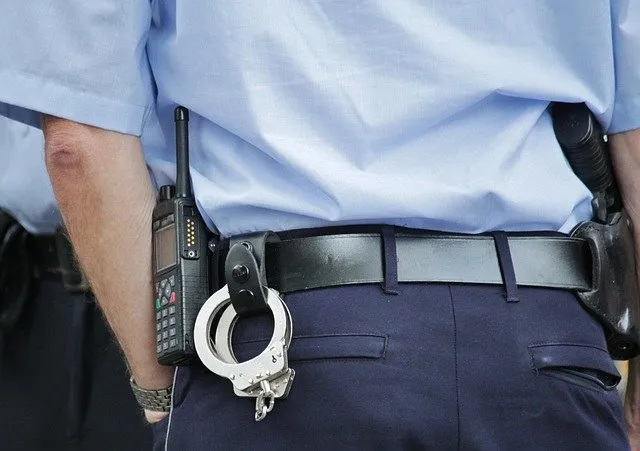
If mediation also comes to nothing, the police are the logical next step. The police will also usually focus on accessible solutions first. A community police officer will, for example, come and talk to the neighbours. An invitation to the police station may also follow. Sometimes it is necessary to call in the police several times. In the case of repeated complaints, the police can then intervene more strictly, for example by confiscating a music system.
- Bring the problem before the court

If the police cannot offer a solution either, a visit to the court follows. The court can order the neighbours to stop certain behaviour and can even attach a penalty payment (dwangsom) to it. In addition, the court can also order them to pay compensation.
Mediation in neighbour disputes
Neighbours can choose a mediator themselves, but sometimes the mediator is also proposed by the municipality. A mediator is educated and trained to help parties in conflict reach a solution in an objective way, or at least to find common ground. The mediator will never impose solutions, but will rather encourage the neighbours to reach a solution together. Mediation is in any case entirely voluntary and builds on the personal will to reach a solution.
In practice, mediation has several advantages. Solutions are often better supported and more suitable when neighbours resolve conflicts themselves than when the letter of the law is applied. In addition, a court can end the conflict legally, but the negative emotions simply remain. Finally, court proceedings can take a long time and cost a lot. Mediation is cheaper, but also faster. Often an initial introductory meeting is even free, and a final decision can still be made after that.
Court case in neighbour disputes
A court case is always the last possible solution. In a neighbour dispute, it will in principle be civil proceedings in which the claimant has the defendant appear before the court in order to get them to do something or to make them stop something. Anyone who has suffered damage can first hold the neighbour liable.
Depending on the wishes and demands, various procedures are possible. In practice, this is either summary proceedings, in which a quick, provisional decision is made, or proceedings on the merits, in which a final judgment is given.
When the compensation claimed does not exceed €25,000, the subdistrict court judge has jurisdiction, including for summary proceedings (Articles 93 and 254(5) of the Dutch Code of Civil Procedure (Wetboek van Burgerlijke Rechtsvordering)). Otherwise, the case must be brought before the civil division or the preliminary relief judge (voorzieningenrechter) of the district court. There are exceptions to this rule: tenancy cases, for example, always go to the subdistrict court judge, regardless of the amount. In proceedings at the district court other than before the subdistrict court judge, a lawyer is mandatory. In proceedings before the subdistrict court judge, a lawyer is not mandatory (Article 79 of the Code of Civil Procedure), but is recommended.
In practice, two types of proceedings can also be started. The first option is a writ of summons procedure (dagvaardingsprocedure). Here, the neighbour is summoned to appear in court. In addition, an application procedure (verzoekschriftprocedure) is also possible. Here, an application is submitted to the court, which is asked to do something. This procedure is also used in divorces, for example, where the court is asked to pronounce the divorce.
Also read: National survey of neighbour disputes.
Frequently asked questions about neighbour disputes
Who has to pay the costs of the court case?
In principle, you pay your own costs, unless the court decides that the losing party must pay the costs. This is also known as an order to pay costs (kostenveroordeling). This rule does not apply to criminal cases, which in principle cost no money, although in practice a lawyer is usually called in. If you have legal expenses insurance, the legal expenses insurer may reimburse the costs.
My two tenants are in a dispute with each other. What should I do?
The landlord is expected to take measures, even if it is not entirely clear who is causing the problem. According to case law (ECLI:NL:GHSHE:2015:3787), however, the landlord is not obliged to take every possible measure. They only have to take the measures that can reasonably be expected of them. This must be assessed case by case, but it includes, for example, holding talks with both tenants and mediating.
I'm in a dispute with my neighbours. Can I then hold my landlord responsible?
In principle, this is only possible when both neighbours rent from the same landlord. Otherwise it is somewhat more difficult. Sometimes the landlord can be asked to make adjustments to the homes in order to still guarantee the tenant's enjoyment of the property. This concerns, for example, better insulation of the home.
Why has housing nuisance been increasing for years?
Experts do not yet entirely agree on this. However, the first tentative studies show that we do not experience more nuisance from neighbours, but that we mainly tolerate it less well. This is said to be related to the fact that neighbours often know each other less well than they used to.
I want to make different agreements with my neighbour than what is in the law. Is that allowed?
Possibly, yes. Neighbour law mainly consists of non-mandatory law (regelend recht). This means that neighbour law offers a solution when no agreements have been made. Neighbours are therefore free to make other agreements. Agreements made must of course be respected. By putting them in writing, they can also be enforced.
Does neighbour law also apply to tenants?
Yes. In many cases, neighbour law also applies to leaseholders (erfpachters) and tenants.
What does the neighbour judge do?
The neighbour judge (burenrechter) was introduced as a trial, with the aim of finding out whether an accessible approach offers a better solution. The working method is comparable to that of the TV programme De Rijdende Rechter, but without television recordings, with the neighbour judge giving a final ruling. The choice of whether or not to bring the conflict before the neighbour judge is entirely voluntary. After the ruling, you must in principle respect the decision, and it is binding.
Is it necessary to give the neighbours formal notice?
Before a court case is started, it can be worthwhile to give the neighbours formal notice of default (in gebreke stellen) officially and by registered letter. The neighbours can then be given a limited period of, for example, two weeks to still take action or stop certain behaviour.
I want to renovate and I don't want any trouble with the neighbours afterwards. What can I do?
Always talk to the neighbours first and make a number of agreements. If damage could occur, it is also advisable to have a baseline survey (nulmeting) carried out. This makes it clear whether damage has been caused and how great that damage is. Also discuss with the insurer in advance which damage is or is not covered, and of course take precautions to prevent damage.
My neighbours are going to renovate. Can I force their contractor to have a baseline survey carried out?
No, this is usually not possible and can only be requested politely. You could, however, consider doing this yourself and paying for it. In that case, always ask the contractor to sign the report. Often the contractor only refuses for financial reasons, and this will not be a problem.
The neighbours' cats often poo in my garden. What can I do?
Talk to the neighbours. Perhaps they are willing to install cat deterrent wire or keep their cats indoors? Not all neighbours are open to this, however. Moreover, TV judge Frank Visser (mr. Frank Visser) has said before that it is difficult to make people keep cats indoors. Only when there are really a lot of cats causing serious nuisance is it possible to intervene. He spoke of "twenty cats or so". That is why it can be worthwhile to install an ultrasonic device that keeps the cats out of the garden. People cannot hear the sound, but cats do not like it and stay away. If the cats were to cause damage, a bit more is possible. In such a case, compensation can also be claimed.
Can a neighbour dispute also have criminal consequences?
Yes, but only if criminal offences have been committed. This often concerns harassment, stalking or assault. In such cases, always contact the police.