When a pet causes damage to someone else, the law usually holds the owner of the pet liable. Even when the owner is not walking their dog themselves, they can still be liable. That is because this is how the law has arranged it. In the Netherlands, liability insurance for pets is not compulsory, but it is advisable. Claims for damages can run up to enormous amounts. This page describes the situation in the Netherlands.
Overview of the pet owner's responsibilities
A pet is always under the control of its owner. This means the owner bears a great responsibility. Not only towards others, because the owner is also responsible for the health and welfare of the (pet) animal. The Animals Act (Wet dieren) contains countless requirements and obligations that apply to the owner of a pet.
- Dogs and cats may only be separated from their mother from the age of 7 weeks, unless this is in the interest of the young animal or the mother (for example in the case of illness or rejection)
- Pets must be given enough freedom of movement
- Pets must be protected against bad weather conditions
- Pets must be given the opportunity to display natural behaviour
- If they are ill or injured, pets must be cared for immediately
- Pets must be kept in a hygienic space
- Enough suitable food and water must be provided
- The animal must have sufficient access to fresh air and oxygen
- Good housing must be provided from which the animal cannot easily escape
- The owner must prevent the pet from causing damage to others
- The owner must prevent nuisance caused by the pet (for example by training it not to bark and by using poo bags)
Prohibited acts for pet owners
Pet owners must take various prohibitions into account. For example, the Netherlands has a ban on using dogs as draught animals (trekhondenverbod). There are, however, two exceptions to this ban. Firstly, there is an exemption for certain pedigree dog breeds (Alaskan Malamute, Eskimo dog, Greenland dog, Samoyed and Siberian Husky). If the dog is not one of these breeds or has no pedigree, a dispensation can be applied for. A dispensation is only granted for certain activities, on condition that the dog is microchipped, that the dog itself benefits from carrying out the activity and that the dog's welfare is not harmed by it. A dispensation can be applied for free of charge via mijn.rvo.nl, the portal of the Netherlands Enterprise Agency (RVO).
There is also a ban on certain physical procedures on pets, and it is prohibited to kill dogs or cats. Only vets are allowed to do this. There is an exception for killing animals in emergencies, where there is no other humane way to end the animal's suffering or where people's health or safety is at risk. In that case, the animal may be killed.
Fines and other sanctions
When the welfare of animals is at risk, sanctions can be imposed. An administrative fine (bestuurlijke boete) or an order subject to a penalty (last onder dwangsom) may then be imposed. An administrative enforcement order (last onder bestuursdwang) is also possible, as is urgent administrative enforcement (spoedbestuursdwang). If someone suffers damage, the victim can ask for compensation.
Examples of the responsibility of pet owners
To say that a pet owner had better take into account the strict responsibilities resting on their shoulders is an understatement. There are countless examples of situations in which the pet owner was held responsible and was hit hard in the wallet.
Neglect of pets
Recently, a man was convicted because he did not give his animals the care they needed. He had no fewer than 25 dogs in his home. There was a strong smell of ammonia in the home, there was not enough clean water, the space was not adequately ventilated or lit, and the floor was heavily soiled with urine and faeces. The police magistrate (politierechter) took into account that, all in all, the dogs were in reasonably good condition.
The police magistrate ruled that the cause must lie in the large number of dogs. That is why a number of dogs were taken away from him. In addition, the man was given a community service order, and it was decided that he may never again keep more than six dogs.
Read the full ruling on Rechtspraak.nl (ECLI:NL:RBZWB:2019:3544)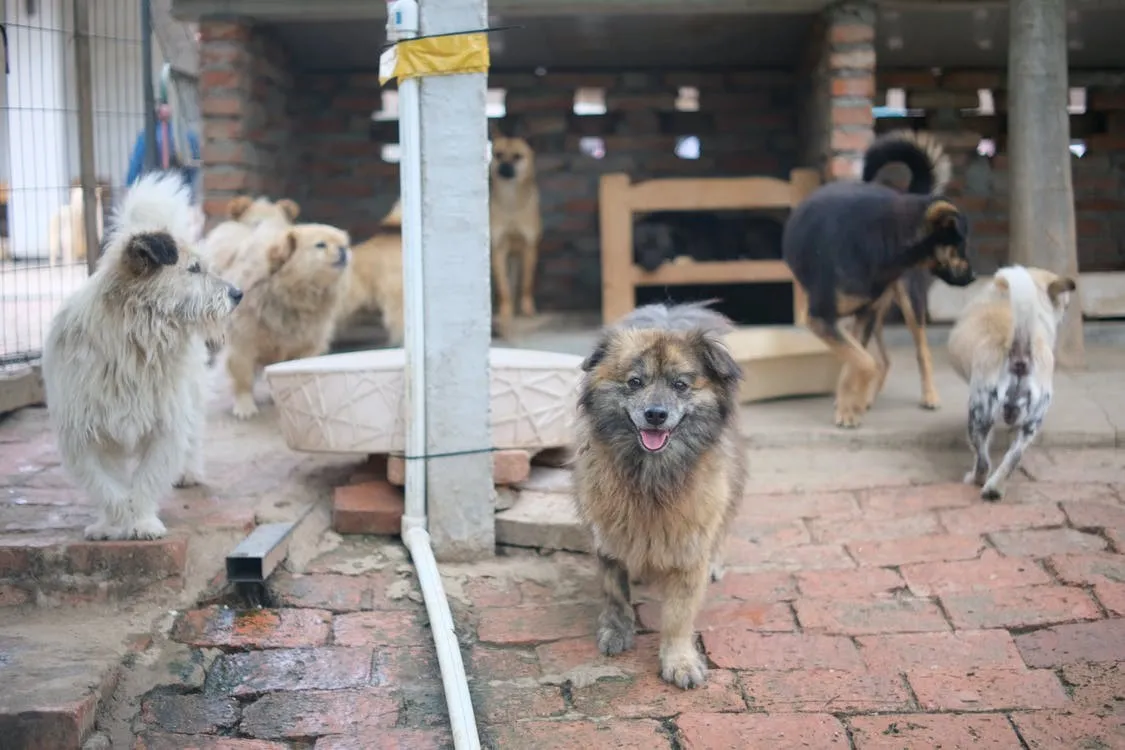
Dog bites a cat to death
An American Staffordshire Terrier fought with a cat in its own garden and bit the cat to death. It was then decided that the owner of the dog is liable for the death of the cat. The owner had to pay €150, the current value of the cat.
Read the full ruling on Rechtspraak.nl (ECLI:NL:GHAMS:2016:3194)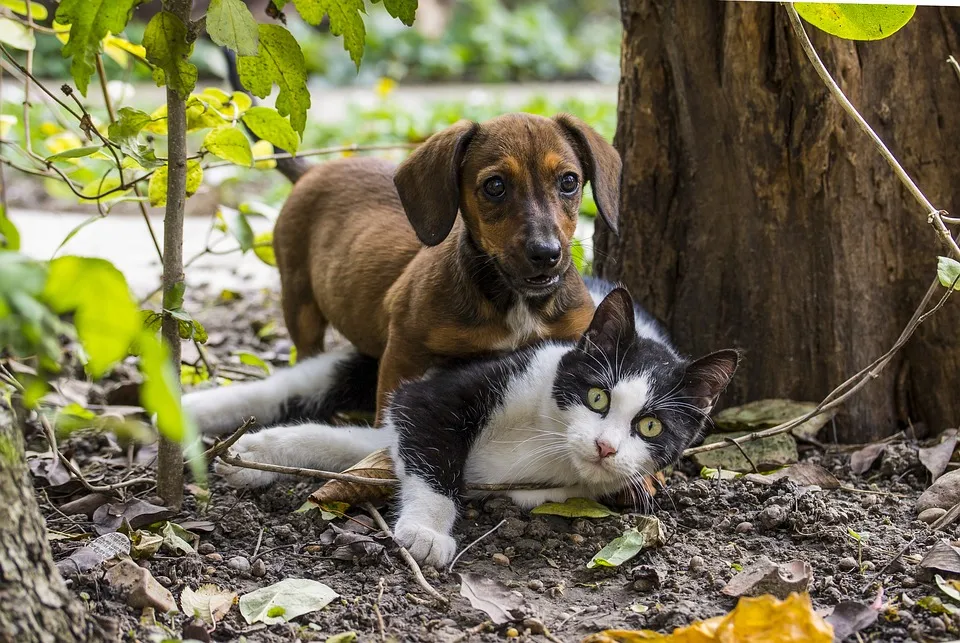
Nuisance caused by pets
A tenant has three large dogs, including the shepherd dog Rex. Rex lives in a kennel in the back garden of the rented home. The other two dogs live in the house. Rex barks frequently, loudly and aggressively. As a result, the neighbours can no longer use their garden normally, because Rex immediately starts barking. The other dogs regularly roam loose in the street. The court decided that the dog Rex must be removed and that the owner must walk his other dogs on a lead. In addition, a penalty of €100 was imposed for each time the owner fails to do so. The legal costs are also to be paid by the dog owner.
Read the full ruling on Rechtspraak.nl (ECLI:NL:RBDOR:2008:BF2284)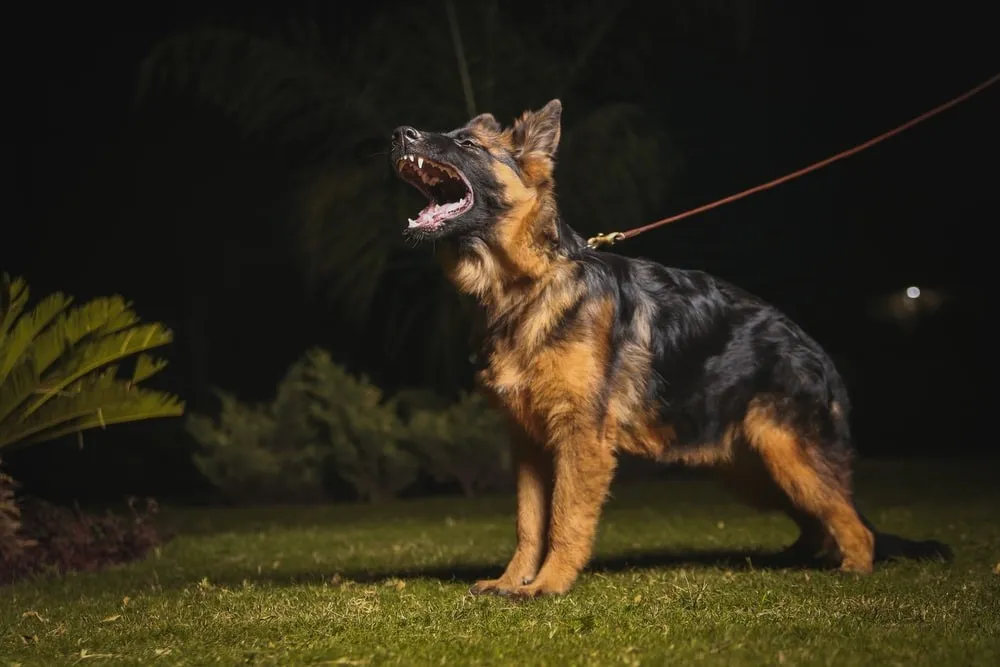
Dog bites a woman in the arm
A woman who works for various debt collection agencies and bailiffs is bitten in the arm by a dog. Only after the dog was wounded with a knife did it let go of the arm. The woman suffered very serious injury to the muscles of her upper arm, with serious loss of function and strength. She can now only drive a car with an automatic gearbox, and she can no longer write or type, nor carry out household tasks. She was awarded compensation of €372,553.
Read the full ruling on Rechtspraak.nl (ECLI:NL:RBROT:2017:7453)
Damage caused by a pet and contributory negligence
When the victim is partly to blame, it is still possible that someone else has to compensate the damage. However, part of the damage may then be borne by the victim, because of their own fault. That was the case, for example, in a case in which a woman was walking her boyfriend's Labrador, Joey.
When leaving the off-lead dog area, Joey immediately runs towards Jip, an American Staffordshire Terrier. Jip then grabs him by the neck. Joey tries to bite back, but fails. When the woman tries to free Joey from the dog's grip, the top joint of her left index finger is bitten off. She does not manage to find her finger joint again.
The court held Jip's owner liable, but there was also contributory negligence (eigen schuld), because Joey was not on a lead and ran towards Jip. The court set the contributory negligence at 20%, which meant that Jip's owner had to compensate 80% of the damage.
Read the full ruling on Rechtspraak.nl (ECLI:NL:RBAMS:2017:5141)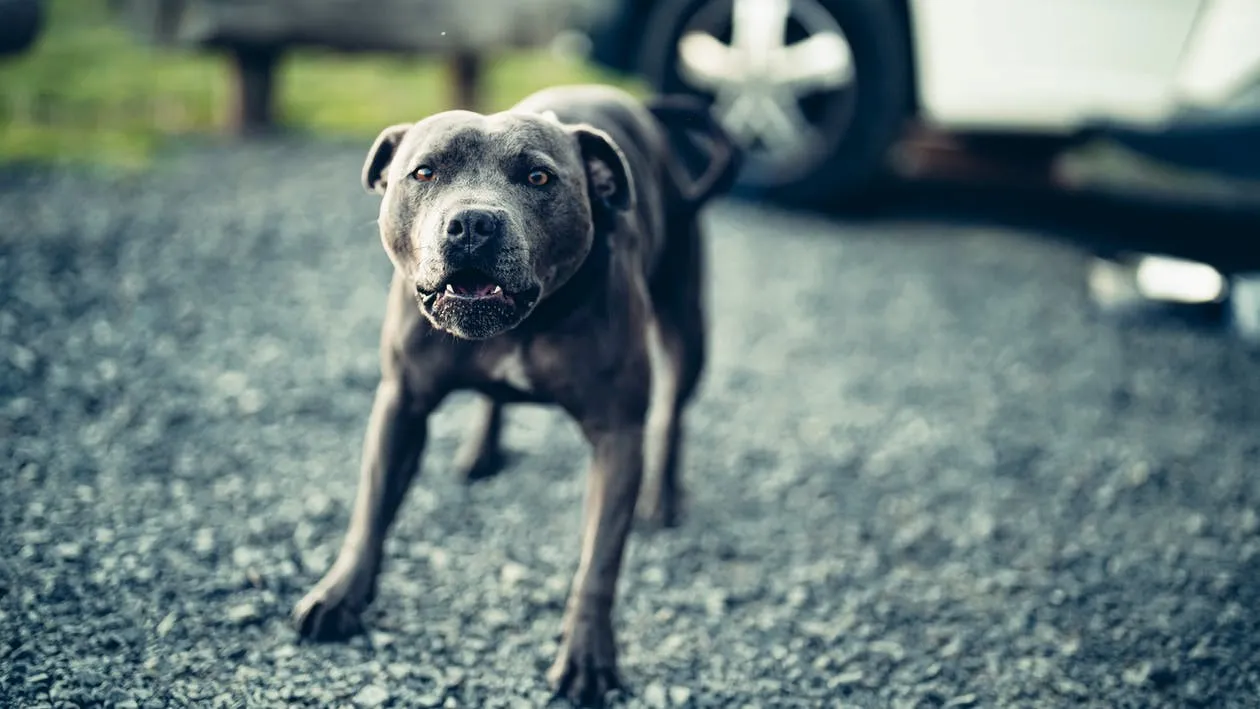
Pet insurance for your dog or cat
Most Dutch insurers offer their website and policy documents in Dutch only.

Dierenverzekering.nl
- 50% or 80% of every vet bill reimbursed, including at the specialist
- Free choice of vet and clinic
- Only for dogs and cats, since 1997
WA.nl may receive a commission if a policy is taken out via one of these buttons.
More information about liability and pets
The owner of a pet must make sure that their pet does not cause damage to others. Otherwise, they can be held liable for the damage their pet causes. That is not only the case if a dog bites someone or a cat scratches someone, but also, for example, if neighbours suffer from noise or odour nuisance.
Nuisance caused by animals
As a pet owner, you are constantly walking a tightrope. For example, the law states that animals must be able to display natural behaviour. Among other things, this means that dogs must be able to bark now and then and that cats must be able to meow now and then. There need be nothing wrong with that, as long as the animals do not cause a nuisance. In other words, the interests of the neighbours must also be taken into account. If necessary, the owner should keep fewer pets.
Nuisance caused by the neighbours' animals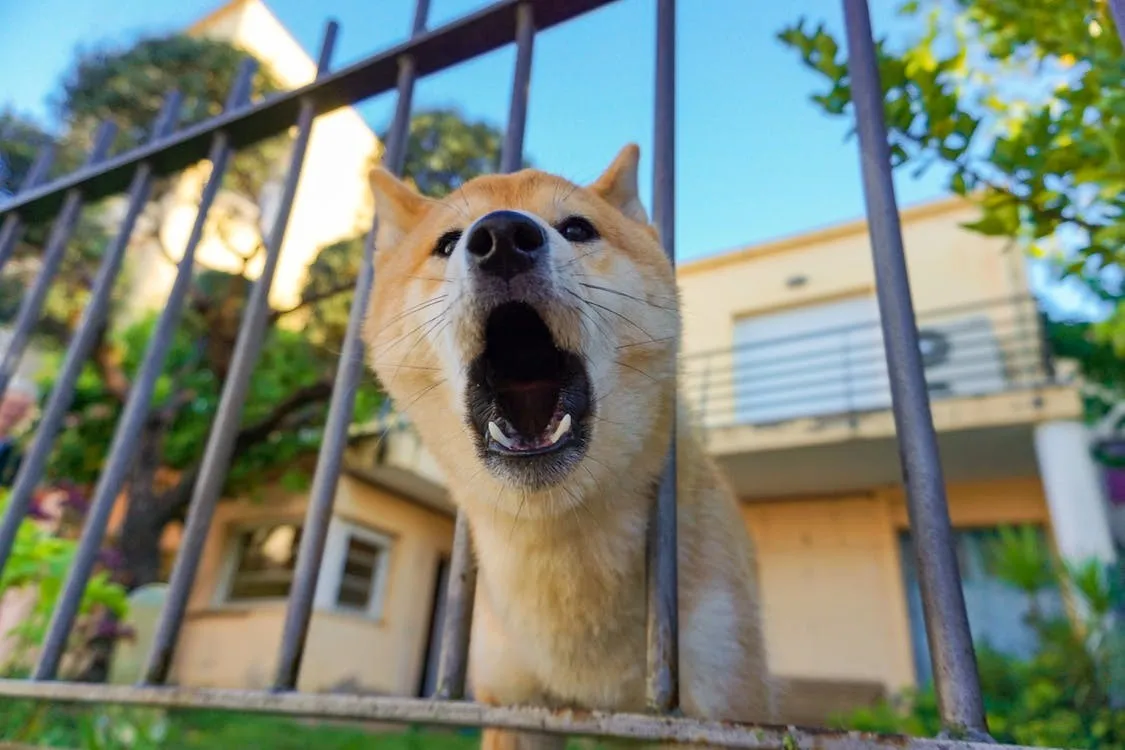
Legal liability for damage caused by pets
The pet owner is obliged to prevent their pet from causing damage. This is not an obligation to make an effort, but an obligation to achieve a result. By acquiring a pet, the owner takes a risk and is therefore responsible for the consequences of that risk. This also means that they must compensate the damage caused by their pet. Only in exceptional cases is there a departure from this rule.
Legal liability for damage caused by pets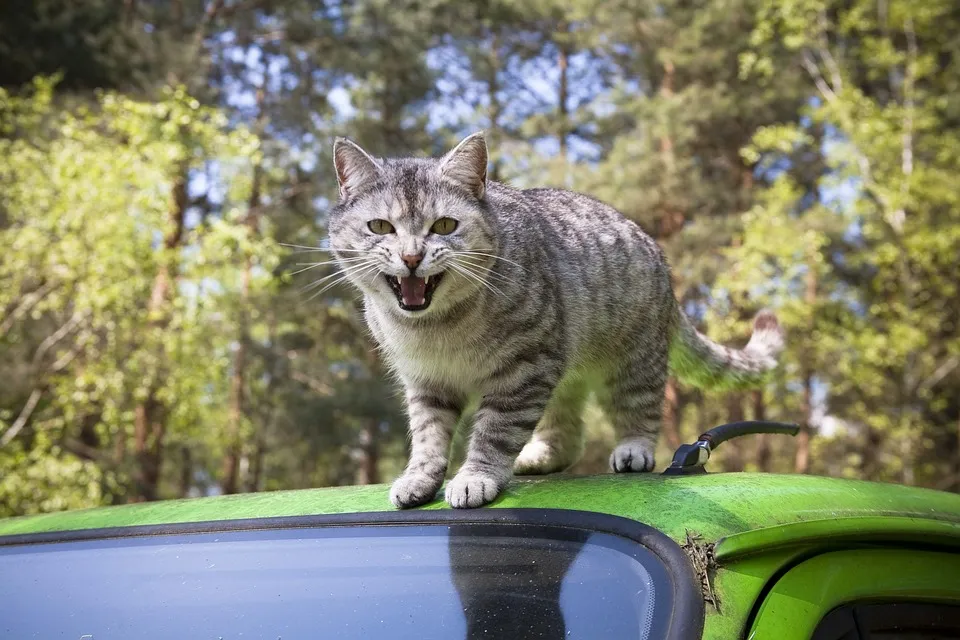
Going on holiday with a pet
If you go on holiday with a pet, you must take into account the rules that apply in the country you are visiting. In some countries, for example, muzzles are compulsory. Moreover, dangerous dog breeds are not allowed in all countries, and strict rules sometimes apply if you want to take a pet with you. To some holiday destinations, it is not even possible to take your pet. Anyone who does not follow the rules can be held liable if the pet causes damage. Fines are also possible.
All about going on holiday with a pet
Liability and professionals in the pet sector
Countless companies and entrepreneurs are active in the pet sector, ranging from professional dog breeders to vets, dog walking services and dog grooming salons. Not only the statutory rules must be taken into account, but also the terms of the agreements concluded with these professionals. These can also have consequences for the liability of the service provider and of the owner.
Liability and professional services for pets
Damage to other pets
As a pet owner, you are responsible for your pet's behaviour and you must make sure that it does not cause damage to other pets. Of course, it is normal for animals to follow their instincts and interact with other animals. However, it is crucial to realise that there are limits and that you must intervene if necessary. This may mean that you have to take measures to limit the interactions between your pet and other animals. Otherwise, you may well be liable for the damage to other pets.
All about liability for damage to pets
Compare liability insurance (in Dutch) →
Frequently asked questions about pets and liability
As a pet owner, you naturally want the best for your animal, but you must also take others into account. If your pet attacks someone else, it can result in a hefty bill. The same applies to a fight between animals or to destroying someone else's belongings. Be sure to read the FAQ below if you still have questions about this.
What happens if my dog causes damage and I don't have liability insurance?
Even if you do not have liability insurance for pets, you can still be held liable. The only difference is that no insurer will compensate the damage, so you will have to do so yourself. If you do not pay voluntarily, a bailiff can seize your money or other possessions. That is why having liability insurance for pets is strongly recommended.
Is liability insurance for pets compulsory?
In the Netherlands, liability insurance for pets is not compulsory. Because pets always remain unpredictable and the damage can be high, liability insurance for pets is advisable. In some popular holiday countries, liability insurance for (certain) pets is compulsory, including for tourists who travel there with their pet.
Can I have my pet's tail or ears docked?
In principle, all physical procedures on animals are prohibited, unless there is a medical need or they are required by law. Among other things, docking the tail and/or cropping the ears is prohibited. There is also a ban on trading docked animals and a ban on exhibiting docked dogs, unless they were docked for medical reasons.
My neighbours don't take good care of their animals. Can the animals be taken away?
Yes, there are various organisations involved in animal welfare that can seize animals or take them into care. Think of the police, the National Animal Protection Inspectorate (Landelijke Inspectiedienst Dierenbescherming, LID) and the Netherlands Food and Consumer Product Safety Authority (Nederlandse Voedsel- en Warenautoriteit, NVWA). These organisations never take animals away just like that; it must be sufficiently clear that the owner has not respected the animal welfare rules. The animal may be returned afterwards, on condition that the situation for the animal has improved.
Who pays the costs if an animal is taken into care?
If an animal is taken into care, it goes to a shelter where it is well looked after and examined. The owner of the animal must then pay the costs of transport and shelter, as well as the vet's bills. Sometimes the owner can get the animal back, namely if the situation has improved. The owner must then pay the costs first before the animal may go back to the owner.