According to a survey by Dronewatch.nl, around a quarter of drone pilots in the Netherlands and Belgium sometimes fly their drone professionally. Professional drone flying is taking off particularly in real estate, construction and inspection. Anyone who flies a drone professionally does have to take a number of drone rules into account. The most important drone rules are explained below. This page describes the situation in the Netherlands.
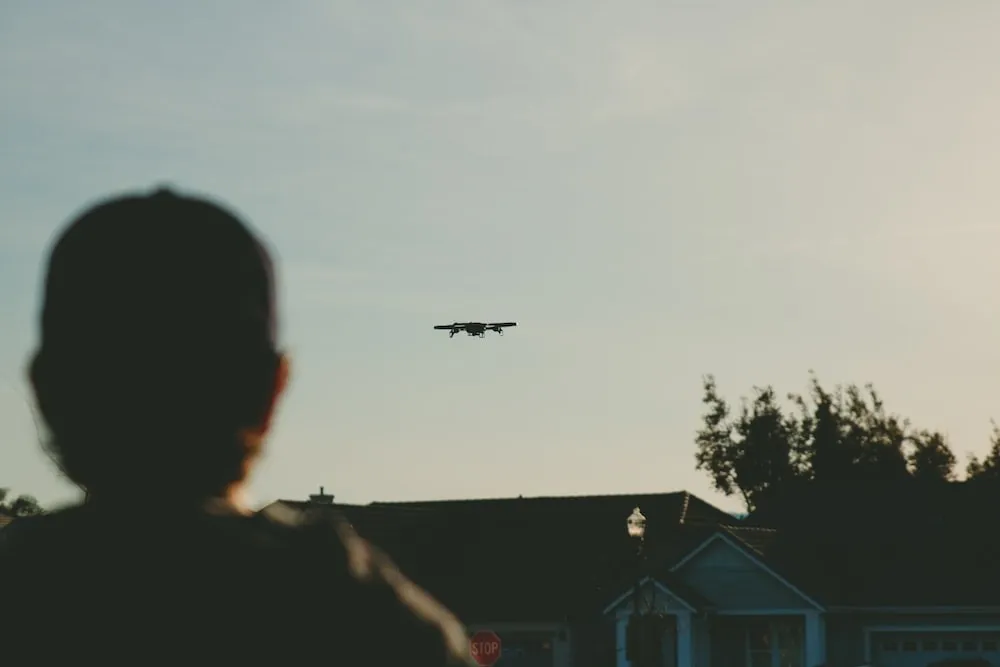
Applications of professional drone flying
It is hardly surprising that more and more people are flying drones professionally. The possible applications of professional drone flights have grown steadily. This is not just about drone photography or drone videography, but also about, for example, transporting goods or even people.
Commercial parcel delivery
The e-commerce sector still relies heavily on parcel delivery services. These delivery services lead to rising delivery costs, extra congestion on the roads and higher CO2 emissions. That is why several mail-order companies are researching unmanned parcel delivery. Amazon in particular has already carried out a great many tests and holds various patents. DHL and Swiss Post are also developing their own prototypes.
Passenger transport
As early as 2016, the Chinese drone manufacturer Ehang demonstrated at CES that it can transport people with a drone. The Ehang drone is able to transport a person fully autonomously from one location to another. It is an autonomous drone for short to medium distances. It is able to fly around sixteen kilometres. The manufacturer is mainly focusing on professionals. The price tag is still very off-putting at the moment. The recommended price is somewhere between 200,000 and 300,000 dollars.
Emergencies and security
Drones have the advantage that they can easily reach places that people cannot. That is why emergency services are very interested in them. They can use drones, for example, to locate people who are drowning or to monitor wildfires preventively. A drone can be useful in the same way for surveillance and security companies, for example to guard an area or a building.
Real estate and land surveying
An estate agent does everything possible to sell a property as quickly as possible. To do so, it is important, among other things, that the building and its surroundings are presented as well as possible. Drones can help with this. A good-looking video is then made of the building and its surroundings. Drones can also be used for property surveys, visual inspections and land surveying.
Photography and videography
Drone photography and videography offer a special way of capturing an event or occasion. Drone footage can, for example, give a different view of a wedding. Drone photography is also interesting for taking aerial photos of areas or properties. This can be done on commission and for payment, or the aerial photos can be sold, for example via stock photo websites.
Aerial advertising
Marketers are always looking for other ways to draw attention to products or services. Aerial advertising is one good way to do that. Drones can, for example, tow banners. Aerial advertising is a good solution at events, among other things. A disadvantage is that drones depend on the weather. If the wind is too strong, it is not possible to fly out.
Rules for flying a drone professionally
Apart from insurance, among other things, the European drone rules do not start from a distinction between private and professional flying. The applicable rules mainly depend on the risk associated with a drone flight. For example, you can fly in the Open category, for which the conditions are lenient. If there are greater risks, for example when flying a heavy drone, the flight may fall under the Specific category or even the Certified category.
European drone rules and the different categoriesFlying professionally in the Open category
According to the survey mentioned above, well over seventy per cent of professional users fly drones that weigh less than 25 kilograms. These are usually flights in what is known as the Open category. Here, the drone must always remain within sight of the pilot. In addition, flying near people or airports is not permitted. These are known as low-risk flights. The exact rules that apply also depend on the Cx class label.
All about low-risk flightsFlying professionally in the Specific category
A limited proportion of professional drone users say that they fly in the Specific category. Within this category, heavier drones may be flown. You may also fly over people and buildings, fly beyond visual line of sight and fly over industrial areas and seaports. Even night flying may be permitted. This category comes with a number of privileges, but strict conditions are also attached to it. A permit is required, for example. This permit is decisive.
Rules for medium-risk flightsFlying professionally in the Certified category
The Certified category is for high-risk flights. The risk is then comparable to the risk of a manned flight. Extremely strict rules are linked to this. This category includes, among other things, transporting dangerous goods and transporting people. Only a few professional drone users fly in this category.
Rules for high-risk flightsMini-drone rules
The mini-drone rules (minidrone-regeling) were introduced on 1 July 2016. These rules made it easier for professional users to fly drones with a limited weight. They still needed a pilot proficiency certificate, but it became easier and cheaper to obtain what is known as the ROC-light. In addition to the ROC-light permit, the professional user also had to register his or her drone and have liability insurance.
More about the mini-drone rulesDrone certificate and pilot certificate for professional drone pilots
Under the European drone legislation, in most cases you need a drone pilot certificate. This licence can be obtained after taking a course and passing an (online) exam. The licence is then valid for a period of five years. In some cases, the professional pilot must also have a certificate of competency.
More about the certificate of competency for a drone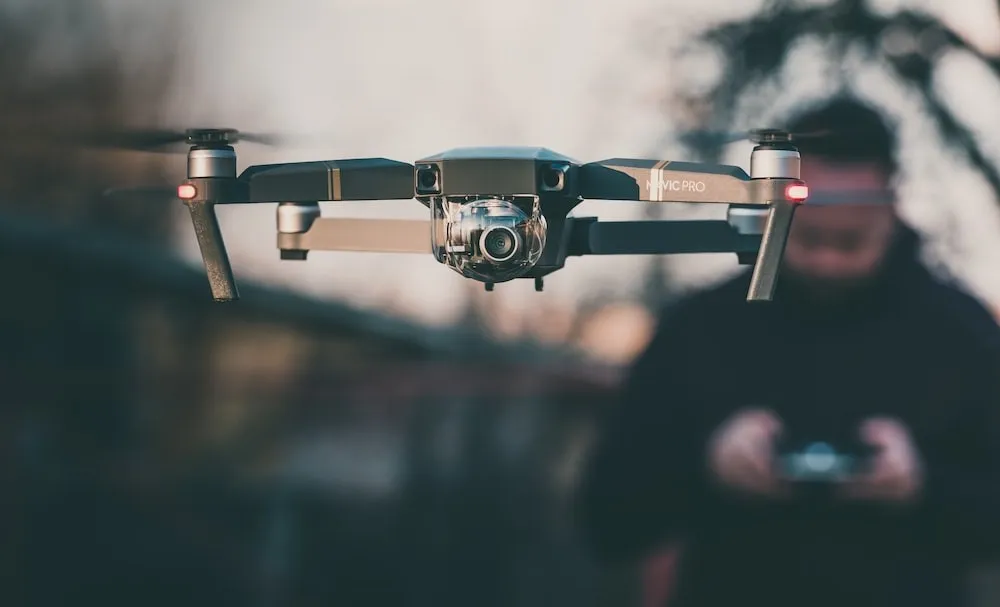
Insurance for professional drone pilots
When flying a drone, there is always a risk of damage. Both the drone and bystanders can suffer damage, as can other people's property. That is why it is advisable to take out good drone insurance (liability insurance and casco insurance). Under EU rules, insurance is compulsory for drones of 20 kilograms or more; for lighter drones, the Netherlands Vehicle Authority (RDW) strongly recommends insurance. Because this is professional use, personal liability insurance (AVP) will in principle not be sufficient. Additional drone and liability insurance is necessary.
More about drone insurance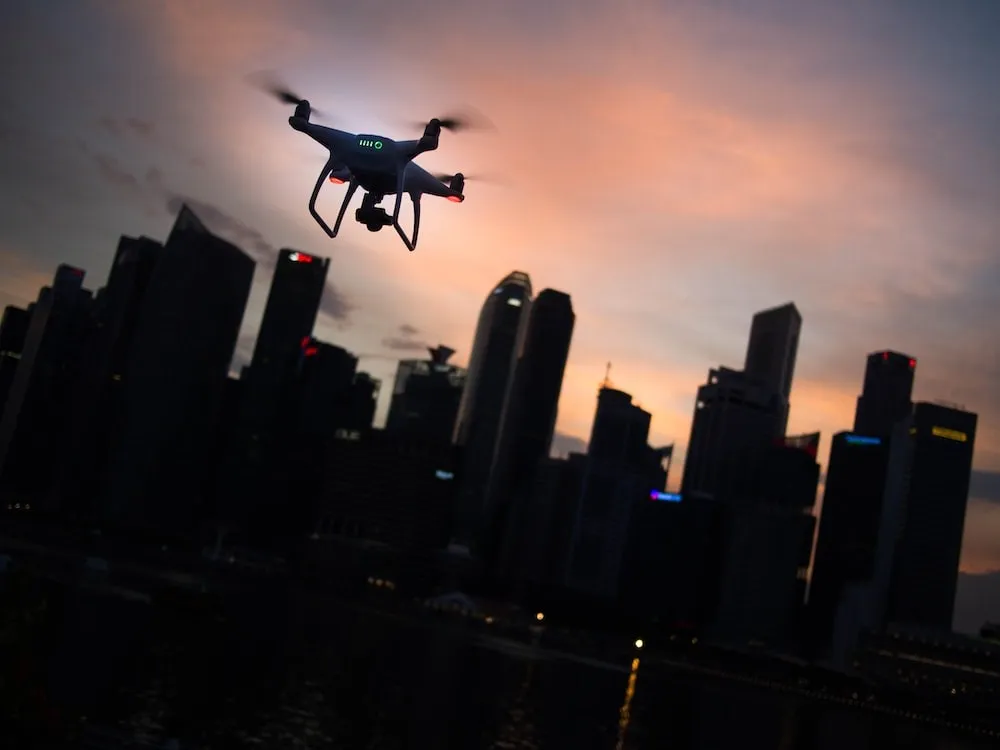
Frequently asked questions about flying a drone professionally
The new European drone rules also have consequences for drone pilots who fly professionally. Especially in the case of a medium-risk or high-risk drone flight, it is important to be well informed about the applicable regulations. If you have questions about this, it is best to read through the FAQ below about flying a drone professionally.
Am I required to report an occurrence involving a professional drone?
Yes, under European Regulation (EU) No 376/2014 it is compulsory to report all occurrences in civil aviation. Occurrences involving professional drones must also be reported. The pilot flying the drone reports the occurrence via the safety management system of the company or flying club. In doing so, the pilot uses the reporting form "Melding voorval General Aviation" (General Aviation occurrence report).
I want to transport people with a taxi drone. Which rules apply?
This is a high-risk drone flight. The European Union Aviation Safety Agency (EASA) is still developing the rules for this category. It is doing so in cooperation with experts from the European member states. According to the Human Environment and Transport Inspectorate (ILT), it is therefore not yet possible to fly in this category.
I want to spray crops with a drone. Which rules apply?
If you drop something from your drone, it is at least a medium-risk flight. The rules for medium-risk flights state that you must apply for an operator number. You must also have a certificate of competency. In addition, you must carry out a risk analysis.
May I fly professionally over an event with a lot of people?
Yes, but only under strict conditions. It will be a medium-risk or high-risk drone flight. This distinction matters for the applicable rules. If a permit is granted, which depends on the practical situation and the risk of an accident, the permit will be decisive.
Do I need insurance as a professional drone user?
Under EU rules, insurance is compulsory for drones of 20 kilograms or more (RDW). For lighter drones, insurance is not compulsory, but it is strongly recommended for business use. Drone insurance covers, among other things, the medical costs in the event of an accident with a drone or damage to other people's property.