When you move house, damage can occur in various ways to your household contents, the building or even third parties. This damage can range from material damage to furniture and electronics to the loss of goods and indirect damage, such as damage caused by delay. Liability for this depends on various factors, such as the cause of the damage, the involvement of a professional removal company and the agreements laid down in contracts or general terms and conditions. In principle, the removal company is liable for damage caused by its actions or omissions during the moving process. However, if the damage is the result of circumstances beyond the removal company's control or of incorrect instructions from the customer, liability can shift. Either way, the importance of good removal insurance should not be underestimated when moving house. This page describes the situation in the Netherlands.

Liability when moving house
Liability of the removal company
A removal company can be liable for damage to goods during the move if it turns out that the damage was caused by culpable acts or omissions of the removal company. As a general rule, a removal company is responsible for delivering the moved items in the same condition in which they were received. Incidents such as breaking a ceramic worktop or dropping a television can lead to liability on the part of the removal company. This is certainly the case if the company did not act in accordance with professional standards or the instructions of the customer.
Content of the removal contract
The content of the removal contract plays a crucial role in assessing the liability of the removal company. The removal contract often contains all kinds of provisions that limit the liability of the removal company, for example if the customer has provided incorrect or incomplete information. The law limits the remover's own liability to amounts set by order in council (algemene maatregel van bestuur) (article 8:1182 of the Dutch Civil Code, Burgerlijk Wetboek, BW). A clause that reduces the remover's liability or burden of proof further than the law allows is void (article 8:1179(1) BW). Only for removal goods whose character or condition justifies a special agreement, for example expensive works of art, is this permitted, and then only expressly in a separate written agreement for that move (article 8:1179(2) BW). It nevertheless remains essential that both parties understand and comply with the (general) terms and conditions of the removal contract.
Obligations of the remover
Book 8 of the Dutch Civil Code (Burgerlijk Wetboek) contains a number of obligations that the remover must comply with. For example, the remover is obliged to pack or dismantle the goods properly and to unpack and/or reassemble them at the destination, at least if this is necessary given their nature and/or the method of transport. The remover must also deliver the goods in the condition in which they were made available. In addition, the remover must carry out the move without delays.
Force majeure
The remover can always invoke force majeure to avoid having to pay compensation. The removal contract can also include provisions that help determine what can or cannot be regarded as force majeure. In any case, the Dutch Civil Code lists situations that cannot be regarded as force majeure, such as a defect in the removal van, a defect in the materials used and a defect in the supports used for hoisting equipment.
Compensation from the removal company
You can claim various types of damage from a removal firm that arose during the moving process. This includes physical damage to or loss of household contents, such as furniture, electronics and personal belongings, caused by accidents or negligence of the removers. You can also claim for damage caused by incorrectly performed logistics services, for example as a result of incorrect assembly or dismantling of furniture. In some cases, you can also claim indirect damage, such as extra costs you had to incur because of a delay in the move, costs of temporary accommodation or the hire of replacement furniture.
Contributory negligence and responsibility of the customer
It regularly happens that a removal firm does not carry out all tasks itself, but is helped by the customer. At the same time, the customer may give instructions that the remover must follow. In such situations, the damage may fall under the responsibility of the customer. That is why the Dutch Civil Code determines that the remover is not liable in the following cases:
- Damage during packing or dismantling by the customer (or a friend of the customer)
- Damage during unpacking or reassembly of the removal goods by the customer (or a friend of the customer)
- Damage resulting from the choice of unusual packaging, while the remover offered another option
- Damage resulting from the choice of an unusual way of carrying out the removal contract, while the remover offered another option
- Damage resulting from not informing the remover of the presence of certain removal goods, where the remover would have taken special measures if they had been informed of this
Insurance of the removal company
Removal companies can take out insurance that covers the liability risk. This type of insurance is often called an (all-in) removers' insurance or removers' policy. This is insurance intended for removal companies and logistics service providers that are engaged in moving, transporting, storing and/or offering logistics services related to removals. This policy covers the removal company's liability for damage to or loss of removal goods during transport or storage, damage to third parties' removal equipment and even consequential damage for private customers, such as the cost of a hotel stay. An important advantage is that one policy covers several liability risks at once. The removal insurance is also tailored to the specific needs of the removal company. Sometimes the insurer also takes the Recognised Removers quality mark (Keurmerk Erkende Verhuizers) into account. Holders of this quality mark then enjoy additional cover in line with the requirements of the quality mark.
Reporting damage to the removal company
If, after a move, you discover damage that may have been caused by the removal company, it is essential to report this to the company concerned in good time. Under the contract with the removal company, which can be regarded as an obligation of result, the company is responsible for transporting your belongings safely. If it turns out that the goods were damaged during transport, the removal company is in principle liable. It is up to you to show that the goods were delivered damaged and are not in the same condition as when you entrusted them to the removal company. Document the condition of your goods both before and after the move with photos and, if necessary, by calling in an expert.
Report the damage you have found to the removal company as soon as possible, ideally within two working days after the move, and follow the procedure laid down in the general terms and conditions of the removal contract. If the damage is not reported within the set period, it is assumed that the goods were delivered undamaged. In any case, it is important to be aware of the limitation period of one year for submitting a claim. If you do not manage to reach an agreement with the removal company within this period, consider interrupting this period to protect your rights. A lawyer can advise you on this.
Damage to goods stored by the removal company
Sometimes there is some time between moving out of one home and moving into another, so the goods are temporarily stored by the removal company. Damage can occur during storage, for example water damage or mould damage. The removal company can be liable for this too. It is advisable to take photos of the goods beforehand to show the damage and its extent. You must then inform the removal company of the damage and hold the company liable.
If the removal company rejects liability or the claim is not handled to your satisfaction, you can consider taking legal action or submitting your case to the Disputes Committee for Removals (Geschillencommissie Verhuizen). The Geschillencommissie Verhuizen deals with, among other things, disputes concerning items going missing during a move, damage to items during a move and items being moved too early or too late. Removal companies are generally well insured and will in principle cooperate well with claims, but as always, there are exceptions to the rule.
Take extra care with self-storage units where you can access your goods in the meantime, because then you are responsible yourself and must take out insurance yourself. Sometimes this is also covered by home contents insurance. Cover for external storage is usually limited in time, for example to three months.
Tips to save on the costs of moving house

There are a number of things you can do yourself to save a lot on the costs of moving house. Either way, it is important not to cut corners on safety. The importance of good insurance should not be underestimated either, as insurance is essential to prevent unforeseen problems or damage. Below you will find some tips that can help you keep costs to a minimum without compromising on the quality and safety of the move.
- Pack yourself. By packing as many things as possible yourself, you save on the costs a removal company would charge for this.
- Communicate clearly and in good time. Inform the removers in advance about specific circumstances, such as a difficult route or a small lift, to avoid extra time and therefore costs.
- Organise your furniture. Use stickers to indicate where each piece of furniture should go in your new home. This makes moving day more efficient and ensures that the move is finished faster and therefore cheaper.
- Move small items yourself. By moving smaller items yourself beforehand, you save time and costs on moving day.
- Arrange enough parking space. Make sure there is a spacious parking spot for the removal van and apply for a parking permit if necessary.
- Consider a furniture lift. Although hiring a furniture lift comes with costs, it can speed up the move considerably.
- Check all rooms. Make sure you do not forget to empty spaces such as the cellar or shed. This can lead to extra trips and therefore higher costs.
Liability when friends help with a move
Moving house is often a big undertaking that can involve a lot of stress and work. Many people choose to ask friends and family for help instead of hiring a professional removal company. This can be a cost-effective and enjoyable way to move, but it is not entirely without danger. It also raises questions about liability when something goes wrong. Below we discuss various scenarios.
Damage to the goods being moved
When friends help with a move and the goods being moved are damaged, it can be difficult to hold someone liable. A friend who helps is only liable if he or she acted unlawfully (article 6:162 BW), and that is not readily assumed. According to the Supreme Court of the Netherlands (Hoge Raad), dangerous conduct is only unlawful if the risk of an accident is so great that, by standards of due care, the person should have refrained from that conduct (HR 12 May 2000, ECLI:NL:HR:2000:AA5784). Often it is simply an unfortunate combination of circumstances.
Glass damage and other damage to the home
During a move, in addition to damage to household contents, damage can also occur to the home itself, such as glass damage or damage to walls, doors or floors. When such damage is caused by friends who are helping with the move, liability for this damage is often a grey area. Friends who help with the move of their own free will are not professional removal services, which makes them less likely to be liable. If they are liable after all, it may be possible to claim under the personal liability insurance (AVP) of the friend in question.
Damage to third parties
If damage is caused to third parties during the move, for example when a piece of furniture falls onto a parked car or in the case of damage to a building managed by an owners' association (Vereniging van Eigenaars, VvE), the situation can be more complicated. Usually, the person who moved will be held responsible first. After all, they should have ensured a safe move. This person can then (possibly) recover the compensation paid from the friend who caused the damage. However, because it was a favour between friends, it can be morally difficult to recover the damage from this person.
Personal injury when moving house
Personal injury is another important aspect of liability when moving house. For example, a friend may be injured while helping with a move, for instance by falling or having something heavy fall on them. In general, with a favour between friends, liability for personal injury is not easily placed on someone else: that requires unlawful conduct. This is also the case with serious personal injury. For example, there was a case in which one sister became trapped during a move, which eventually led to the amputation of her forearm. The other sister had reflexively given a linen cupboard a push. The court ruled that the one sister was not liable for the other sister's personal injury (ECLI:NL:HR:2000:AA5784).
Liability for damage when leaving the previous home
With damage to the previous home, responsibility lies first and foremost with the departing tenant or seller. This means that any damage to the home, such as scratches on the floor, holes in the walls or other forms of damage that occurred during the move, must be repaired by the departing party. The landlord or the new buyer has the right to demand these repairs or to ask for compensation for the damage suffered. In the case of a rented home, the damage must be repaired before the end of the tenancy agreement. It is therefore important to act carefully during the moving process and to repair any damage immediately to prevent further consequences.
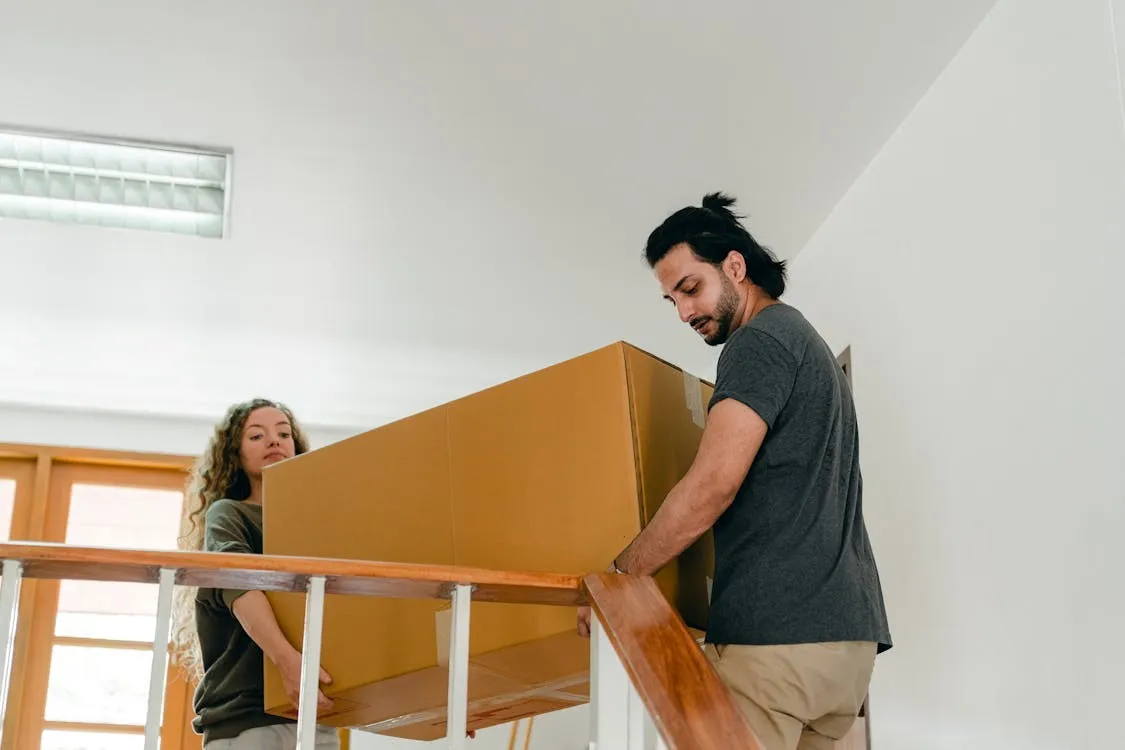
Tips for moving without damage
The smartest thing, of course, is still to prevent damage. Then you do not have to think about liability, claims and insurance. Good preparation is essential for moving without damage. Planning your move carefully can prevent common problems and damage to belongings or the home. It is also important to use the right packing materials and, if possible, to call in professionals for the riskier parts of the move. The tips below help you move without damage.
- Start packing in good time. By starting well in advance, you avoid rushed work, which often leads to carelessly packed items and therefore damage.
- Use the right packing materials. Sturdy boxes, bubble wrap and special protective covers are essential for protecting your belongings.
- Label everything clearly and indicate if a box contains fragile goods. This not only prevents confusion during unpacking, but also helps with handling fragile items carefully.
- Dismantle large pieces of furniture. This not only makes them easier to transport, but also reduces the risk of damage to both the furniture and the home.
- Make a clear plan for moving day. Know who does what and which items need to go where, and make sure everyone knows about the presence of fragile items.
- Arrange a spacious parking spot for the removal van. This reduces the carrying distance and lowers the risk of damage.
- Protect floors and walls. Use blankets, cardboard or special protectors to prevent scratches and dents.
- Consider professional help. For moving a piano or a work of art, for example, it can be wise to call in professionals.
Read also: Liability and insurance for philatelic collections.
Insurance and damage during a move
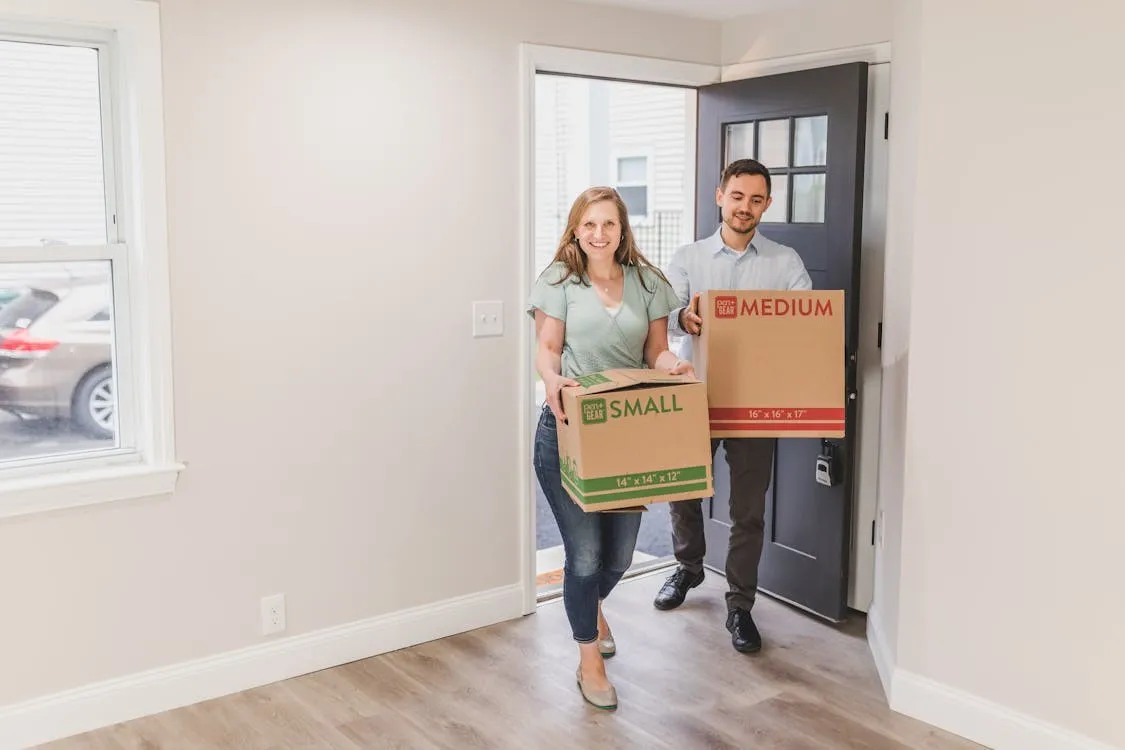
When moving house, it is essential to have adequate insurance to cover financial risks and unforeseen damage. Home contents insurance protects your personal belongings against damage or loss. Buildings insurance covers damage to the home itself, such as walls and floors, which can occur when loading or unloading your household contents. When using your own car or hiring a removal van, good car insurance is crucial, especially to be covered for damage that occurred while transporting your belongings. In addition, personal liability insurance (AVP) provides cover if you accidentally cause damage to the property of third parties or injure them.
Home insurance and removal damage
During a move, something can easily go wrong, for example a box falling unluckily or a scratch on the new floor. Fortunately, home contents and buildings insurance usually provide good cover for such incidents during the move. It is, however, essential that you inform the insurer of the move in good time. This is because home insurance is linked to your address. Fortunately, it is possible to insure two homes temporarily, which can be useful when there is an overlap in the moving period. Reporting the move therefore ensures that you are properly insured against damage in both the old and the new home.
Car insurance and damage during a move
A removal van is often hired for a move. Sometimes people use their own car to transport things or borrow a van from friends or family. In all these cases, it is important to know how the insurance and damage cover work. A hired removal van is insured as standard by the rental company with third-party liability insurance (WA), which means that damage to third parties is covered. However, you are in principle responsible yourself for damage to the van itself. You can often also take out additional insurance, or the rental company has already done this for you. You sometimes have to take an excess into account. Ask the rental company about this. When using your own car or a friend's car, standard car insurance covers damage to third parties. Damage to your own goods that occurs during transport is not covered by standard car insurance. Additional cover is available for this, and the insurer can tell you about it.
Personal liability insurance and moving house
Personal liability insurance (AVP) plays an important role during a move. This insurance protects against the financial consequences of damage you accidentally cause to third parties. When you move, it is crucial to inform your AVP insurer of your new address and the moving date. If you do not yet have an AVP, this is an excellent moment to take one out. During a do-it-yourself move, damage to personal belongings can also be caused by help from friends or family. Some AVP policies have a so-called favour clause (vriendendienstclausule), which can be very useful. It is important to note that damage to a hired removal van is not covered by the AVP.
Legal expenses insurance for problems during a move
Legal expenses insurance can be invaluable for problems during and after the moving process. Among other things, it is useful when holding a removal company liable for damage suffered. When disputes arise, legal expenses insurance provides legal assistance and covers the costs of legal proceedings. The insurance supports you in gathering the necessary evidence, formulating a strong claim and, if necessary, representation by a legal expert during negotiations or court proceedings. It enables you to enforce your rights effectively without having to worry about the often high costs of legal assistance.
Adjusting your insurance after a move
After a move, it is essential to have your insurance adjusted to your new situation. This applies not only to your home contents and buildings insurance, but also, for example, to your car insurance. This is because where you live can affect the premium you pay. In some regions, for example, the premium for car insurance can be higher because of a greater risk of traffic accidents or vandalism, while in other areas it is lower. Changes in the composition of your household or the value of your household contents can also be reasons to review your insurance. It is therefore advisable to always compare your insurance again after a move. That way you make sure that you are not only properly insured, but also that you do not pay too much.
Insurance and moving abroad
With an international move, standard insurance is often not sufficient, because of the complexity and the many risks that such moves involve. Think of customs inspections, transport risks and possible delays. Especially for these situations, many insurers offer international removal insurance. This can have different names depending on the insurer, for example All-Risk Removal Insurance (All-Risk Verhuisverzekering). It is insurance that provides worldwide door-to-door cover. Not all insurers offer this international removal insurance. Ask your insurer for information to find out the options. International removal companies can also tell you about this.
Step-by-step plan for a successful move
A lot comes your way when you move house. This ranges from administrative tasks to actually packing and moving your belongings. With the right preparation, you can make sure that everything runs smoothly. Follow this step-by-step plan so you do not overlook anything and make your move a successful experience.
- Arrange a removal company
If you decide to hire a removal company, start by requesting quotes from different companies to compare services and prices. Check whether the removal company is insured for any damage. For a do-it-yourself move, arrange a hire car or removal van well in advance and ask family and friends for help. In both cases, make sure there is clear planning and communication about what needs to happen when.
- Pack and prepare the move
Start packing for the move in good time. Sort your belongings and decide what goes with you and what can be sold or donated. Get enough packing materials, such as boxes, tape and protective materials for fragile items. Label each box with its contents and its destination in your new home to make unpacking easier. At the same time, pack a separate box with essentials for the first days after the move, such as toiletries, clothes and important documents. That way you do not have to unpack everything straight away or go looking for important items.
- Report your change of address
It is very important to report your change of address to the municipality, family, friends and organisations such as banks and insurers. You must report it to the municipality between 4 weeks before and 5 days after your move, to avoid fines and to make sure that important post reaches your new address.
- Arrange gas, water and electricity
Make sure that basic utilities, such as gas, water and electricity, are arranged in good time for your new home. Contact your current providers and arrange any transfers or new contracts. A move is the ideal moment to compare energy rates and contracts. Use this opportunity to save money.
- Check municipal matters
Ask your new municipality about municipal taxes. You may be able to get certain taxes back or may have to start paying new taxes. Also arrange matters such as parking permits and other obligations that come with living in the new municipality.
- Adjust your insurance
Check your insurance policies, such as home contents, buildings and car insurance. Adjust them to your new situation to avoid double cover and make sure you are not underinsured.
- Arrange internet and TV
Find out which internet and TV providers are active at your new address. This may be a good moment to switch provider or to adjust your current subscriptions.
- Health insurance and healthcare providers
If you are moving to another region, find new healthcare providers (GP, dentist and pharmacy). Also report your change of address to your health insurer.
- Consider a cohabitation agreement
If you are moving in together, consider drawing up a cohabitation agreement (samenlevingscontract). This can be done at a civil-law notary (notaris) or with the help of a model agreement.
- Arrange a new school
Start looking for a suitable school in your new place of residence in good time by searching online and asking your new neighbours for advice. Visit potential schools and talk to the teachers and management to get a feel for the school culture and the level of education. Once you have made a choice, arrange the enrolment. Prepare your children for the change by involving them in the process and talking positively about their new school.
Frequently asked questions about moving house and liability for removal damage
Moving house involves a lot of practical matters. A great deal has to be arranged, including taking out or adjusting insurance. Good preparation can prevent a lot of stress and unforeseen costs. Below you will find an FAQ that answers some frequently asked questions about moving house and liability for removal damage. By being well informed, you can prepare your move properly.
What does a move cost?
The costs of a move can vary considerably, depending on various factors, such as the size of your household contents, the distance between your old and new home and whether you choose a removal company or move yourself. Research shows that prices can vary greatly between removal companies, with an average difference of €400 between the highest and lowest quote. This underlines the importance of requesting several quotes so that you can make the most advantageous choice.
When should I report a move to my insurer?
You should report your move to your insurer as soon as possible. Most insurers ask you to do this two weeks before the moving date. This is important for keeping your policy details up to date and to guarantee good cover at your new address.
What do I need to arrange when moving house?
When moving house, think of reporting your new address to important organisations and companies (such as energy suppliers, internet and TV providers and the municipality), registering or deregistering with the municipality, arranging a removal company (or organising the move yourself) and making sure you have the right insurance.
When do most people move house?
Many people choose to move in spring or summer, because of the milder weather and longer days. Moves are also popular around the end of the month or directly after school holidays, because of lease and rental contracts and finishing the school year at the current school.
Who should I inform when I move house?
Be sure to inform your family, friends, employer, banks, insurance companies, subscription services and the municipality.
How should I prepare for a move?
Start planning early, sort your belongings and decide what needs to come with you. Pack your belongings carefully and label the boxes. Make a checklist of tasks and companies you need to inform about the move.
Who reports my move to the Tax and Customs Administration?
Your new address is automatically passed on to the Dutch Tax and Customs Administration (Belastingdienst) when you register with the municipality at your new home address.
Why do I have to report my move to the municipality?
Reporting your move to the municipality is required by law to update your registration in the Personal Records Database (Basisregistratie Personen, BRP). This is important for things such as your right to vote and receiving municipal services.
Who is liable for damage during a move?
Liability for damage during a move depends on the cause and the party involved. If you cause damage yourself, you are responsible yourself. If damage is caused by a removal company, the company is in theory liable.
Does my liability insurance cover moving house?
This depends on your policy. In principle, personal liability insurance (AVP) does not cover damage while moving your own household contents. It can, however, cover damage you cause when you help friends or family move. Check your policy conditions or contact your insurer for more information about the cover and the conditions.
What does a removal company do?
A removal company can help you dismantle, pack, load, transport, unload, unpack and assemble your household contents. Many removal companies also offer storage space for your belongings.
Is damage caused by a removal company insured?
Damage caused by a removal company is in principle the responsibility of the removal company itself. Many removal companies are insured for damage they cause during the move. However, the conditions and cover can differ per removal company. It is wise to look at the removal company's policy conditions before the move or to ask how they deal with damage. If damage does occur, report it to the removal company as soon as possible. In some cases, your own home contents or buildings insurance can also come to the rescue.