Outside the private sphere, road traffic is the area where accidents happen most. It is therefore no surprise that liability law pays a great deal of attention to traffic. There are various rules that govern liability in traffic accidents. A strict liability applies to traffic accidents involving both motorised and non-motorised road users. This page describes the situation in the Netherlands.
Article 185 of the Road Traffic Act (WVW)
Anyone who puts a motorised vehicle on the road is taking a risk. In an accident, such a vehicle can cause a great deal of damage, both to its occupants and to other road users. That is why a strict liability has applied since 1924. In accidents between motor vehicles and non-motorised road users, the motorised road user will in principle always be at least 50% (and sometimes 100%) liable. Exceptions are possible, for example in the case of force majeure.
WVW: weak or strong determines liability
The Road Traffic Act (Wegenverkeerswet, WVW) includes, among other things, the protection of cyclists in traffic. The important article 185 WVW provides that cyclists and pedestrians are protected as vulnerable road users.
What is remarkable is that the definition of a motor vehicle in this act differs from the definition in the Motor Insurance Liability Act (WAM). The WVW explicitly states that a bicycle with pedal assistance is not a motor vehicle (article 1, paragraph 1, sub c). This means that such a bicycle is treated in the same way as a vulnerable road user. As a result, its rider enjoys exactly the same protection as the rider of a non-motorised bicycle.
In other cases, the road user is a strong road user and article 185 WVW does not apply. In other words, weak (pedal assistance) or strong (fully electric) determines which liability rules apply.
Read the text of article 185 WVWCausal apportionment
Within liability law, causal apportionment is the starting point. If several parties contributed to an accident, causal apportionment is applied to determine who has to pay or will receive which compensation. If, for example, one road user contributed 60% to the accident and the victim 40%, the first road user only has to compensate 60% of the victim's damage. That is because the victim is also partly to blame.
This causal apportionment is also applied in a traffic accident between a motorised and a non-motorised road user. The only difference is that a lower limit is set, ranging from 50% to 100%: the motorised road user will always have to compensate part of the damage suffered by the non-motorised road user. That is because he took a risk by putting a motorised vehicle on the road. He is therefore always partly responsible.
Equity correction
In some cases, the court can apply an equity correction (billijkheidscorrectie). The court can take various factors into account, for example the insurance cover or the serious personal injury suffered by a victim. The characteristics of the vehicle can also play a role. On the basis of this equity correction, the court can decide, for example, that a cyclist who would normally only be entitled to 50% compensation because of their own fault receives higher compensation after all. This can even go up to 100% of the damage.
More about the equity correctionForce majeure
For the owner or keeper of the motor vehicle, there is one way to escape liability under article 185 WVW. To do so, he must make it plausible that there was force majeure. Because the Supreme Court of the Netherlands (Hoge Raad) sets very strict requirements for this, it is only possible in exceptional cases. Even a sudden physical condition of the driver, such as a cardiac arrest, is not necessarily force majeure. For there to be force majeure, the driver must have driven without any fault (or the fault must be irrelevant to the accident), and the mistakes of the other road user must have been so unlikely that the driver did not need to take them into account.
Strong road users
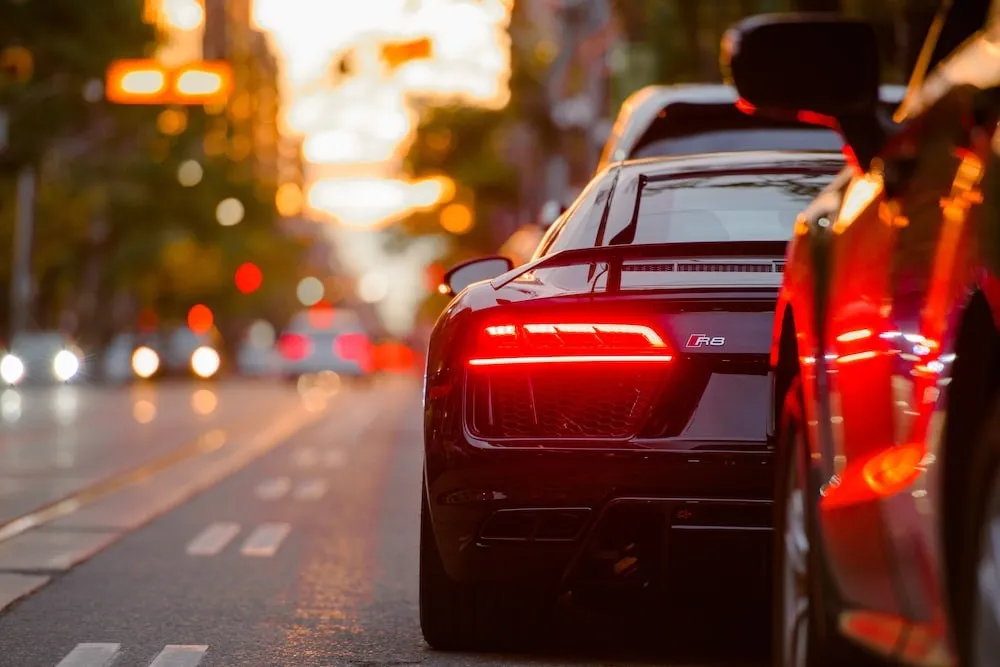
As mentioned earlier, strong or weak determines liability. A strong road user is in principle a motorised road user, such as a car, a van or a lorry. Because a scooter also has an engine, it is also a strong road user. But there are exceptions. An electric bicycle, for example, does have a motor, but is nevertheless not regarded as a motorised vehicle. This exception does not apply to an electric scooter (e-step). An electric scooter is therefore a strong road user.
Examples of liability of strong road users
Because of the strict liability that applies to motorised vehicles, a strong road user (or their insurer) will usually be obliged to pay compensation after an accident with a vulnerable road user. Even if the vulnerable road user made a mistake. The four real-life examples below show this.
Pedestrian is hit when she suddenly crosses the road (50%)
On 31 December 2019, an accident took place between a pedestrian and a passenger car. The accident happened in Hengelo. According to the police report, the pedestrian suddenly crossed a road in a built-up area. The court ruled that the driver of the passenger car was 50% liable for the pedestrian's damage.
Read the ruling on Rechtspraak.nlCyclist rides into a lorry (50%)
On 26 November 2014, the victim was cycling from his home to work. The cyclist rode onto a street and in doing so rode into a lorry that was driving in the same direction. The cyclist should actually have given way to the lorry. Because the lorry is a strong road user and a bicycle is not, the lorry driver nevertheless had to compensate 50% of the damage.
Read the ruling on Rechtspraak.nlHead-on collision with a cyclist riding in the wrong direction (50%)
On 31 January 2017, a cyclist and a scooter were riding on the cycle path. The cyclist was riding on the wrong side of the road and was hit head-on by the scooter. The cyclist suffered a fractured eye socket, as well as a small cut to the head. The scooter rider had to compensate 50% of the damage, because a scooter is a strong road user and a cyclist is a vulnerable road user.
Read the ruling on Rechtspraak.nlCollision with a refuse collector loading a dustcart (100%)
On 8 April 2019, an accident took place in which a refuse collector loading a dustcart in a built-up area was hit by a car. In the collision, the refuse collector's foot ended up in the car's wheel arch. The dustcart had both its flashing beacons and its hazard lights on. The car was driving very close to the dustcart, at a distance of no more than twenty centimetres. This contributed to the collision. The motorist had to compensate 100% of the damage suffered.
Read the ruling on Rechtspraak.nlVulnerable road users
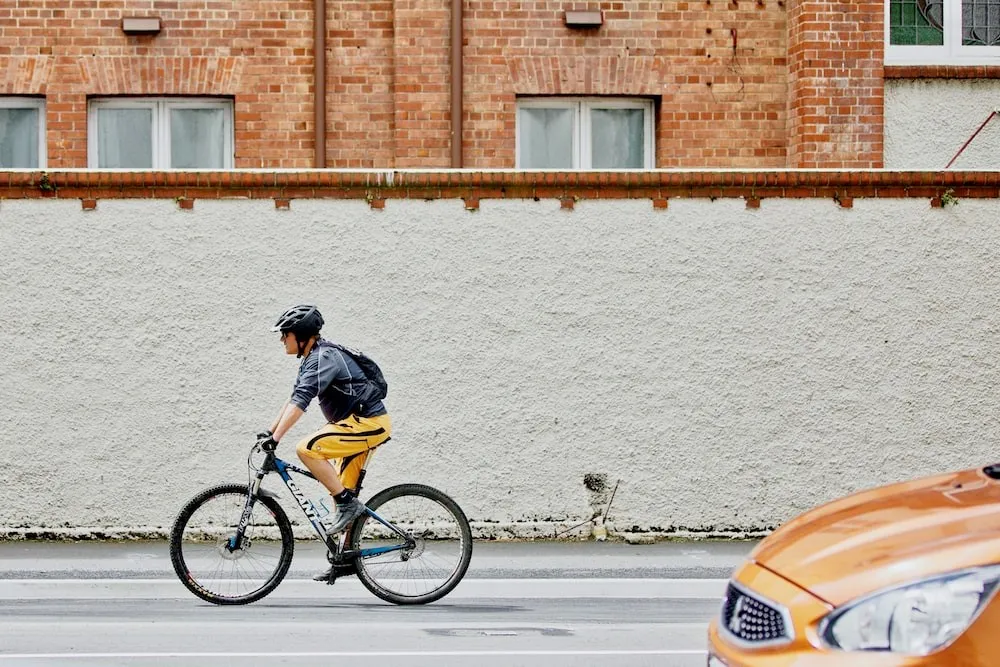
Vulnerable road users are non-motorised road users, such as pedestrians and cyclists. The classic e-bike is also counted as a non-motorised road user, as are, for example, people on kick scooters and skateboarders. These vulnerable road users enjoy protection in relation to strong road users. However, this protection does not apply between them, for example in a traffic accident between two cyclists. In that case, only causal apportionment and the question of fault apply.
Examples of liability of vulnerable road users
Accidents also regularly happen between vulnerable road users, for example between cyclists or between a cyclist and a pedestrian. The actual situation will then determine who is or is not liable for the damage. The four examples below show this.
Collision in which a cyclist failed to give way (100%)
On 12 June 2018, a collision took place between two cyclists. Both cyclists were riding onto a junction of two cycle paths at that moment. One of the cyclists came from the right. The other cyclist had not given way. The court ruled that the cyclist who had not given way was at fault. He had to compensate 100% of the other party's damage.
Read the ruling on Rechtspraak.nlCyclist falls because of a bicycle lying partly on the cycle path (75%)
On 26 August 2010, an accident took place in a cycle tunnel. The victim fell because another bicycle was lying partly on the cycle path. According to the sub-district court judge (kantonrechter), there was 25% contributory fault: a cyclist with normal vision could have seen the bicycle lying there and could have swerved in time. That is why only 75% of his damage was compensated.
Read the ruling on Rechtspraak.nlRacing cyclist hits a pedestrian (100%)
On 11 January 2020, an 84-year-old pedestrian was hit by a racing bicycle on the cycle path. The 84-year-old was seriously injured as a result, including brain damage. The racing cyclist was riding at about 20 km/h and is said not to have braked before the collision. The view was unobstructed and he must have had the 84-year-old man in view for about 3.3 seconds, enough to brake in time. The cyclist had to compensate the pedestrian's damage in full.
Read the ruling on Rechtspraak.nlCollision with a bicycle without brakes (100%)
On 25 April 2014, an accident took place involving a cyclist and a pedestrian. The cyclist was riding a bicycle without brakes and hit a pedestrian who was crossing, resulting in serious physical injury. The bicycle did not meet the legal requirements, the cyclist had not made sufficiently sure whether anyone was on the cycle path, and the cyclist had moreover not swerved or braked for the pedestrian in time and/or sufficiently. The cyclist therefore had to compensate all of the pedestrian's damage.
Read the ruling on Rechtspraak.nlThe distinction between strong and vulnerable road users
The distinction between weak and strong is based on whether or not the vehicle has mechanical power or electric traction with a power supply that makes it move. The law contains two exceptions to this: vehicles designed to run on rails (trains and trams) and electric bicycles with pedal assistance.
| Vulnerable road users (art. 185 WVW applies) | Strong road users (art. 185 WVW does not apply) |
|---|---|
| · Pedestrian<br>· Cyclist on a non-motorised bicycle<br>· Cyclist on an electric bicycle with pedal assistance only(*) | · Car<br>· Bus<br>· Motorcycle<br>· Scooter<br>· Van<br>· Lorry<br>· Moped rider<br>· Other electric bicycles |
(*) More requirements apply to the electric bicycle than just having pedal assistance. For example, the pedal assistance must not work at speeds of 25 km/h and above, and the electric motor must not have a power output of more than 250 W.
Road users and liability
Various parties are involved in traffic. The capacity in which someone takes part in traffic is one of the things that determines how liability is arranged. This is explained below for each type of road user. Bear in mind, however, that the situation can sometimes be even more complex and that force majeure, for example, can also play a role.
Pedestrians
A pedestrian is regarded as a vulnerable road user. In an accident with a strong road user, a pedestrian is therefore protected by liability law. As a result, the strong road user will generally have to compensate at least fifty percent of the pedestrian's damage. This protection does not apply if the other road user is also a vulnerable road user, for example a cyclist. In that case, causal apportionment will determine the obligation to pay compensation.
Hit as a pedestrian and liability
Children under 14
When a vulnerable road user, such as a pedestrian or a cyclist, is younger than fourteen, the so-called 100% rule applies. In such cases, the strong road user will in principle have to compensate 100% of the damage instead of 50%, even if the child made a mistake. This rule can be departed from in the case of intent or recklessness bordering on intent.
Everything about children in traffic
Car drivers
As the driver of a car, you bear a great responsibility, both towards vehicle occupants and towards other road users. In the relationship between a strong road user (a car driver) and a vulnerable road user (for example a cyclist), the car driver almost always has to compensate fifty percent of the damage. This does not apply in relation to other strong road users. The actual situation (for example reversing or failing to give way) will then determine the causal apportionment. Bear in mind that different traffic rules sometimes apply abroad.
Cyclists
Like a pedestrian, a cyclist is a vulnerable road user. This means that if a cyclist is involved in a traffic accident with a strong road user, that strong road user usually has to compensate at least fifty percent of the damage. For young children, it is even one hundred percent. This does not apply to a collision between two cyclists. In that case, causal apportionment will be decisive.
Everything about cyclists in traffic and bicycle insurance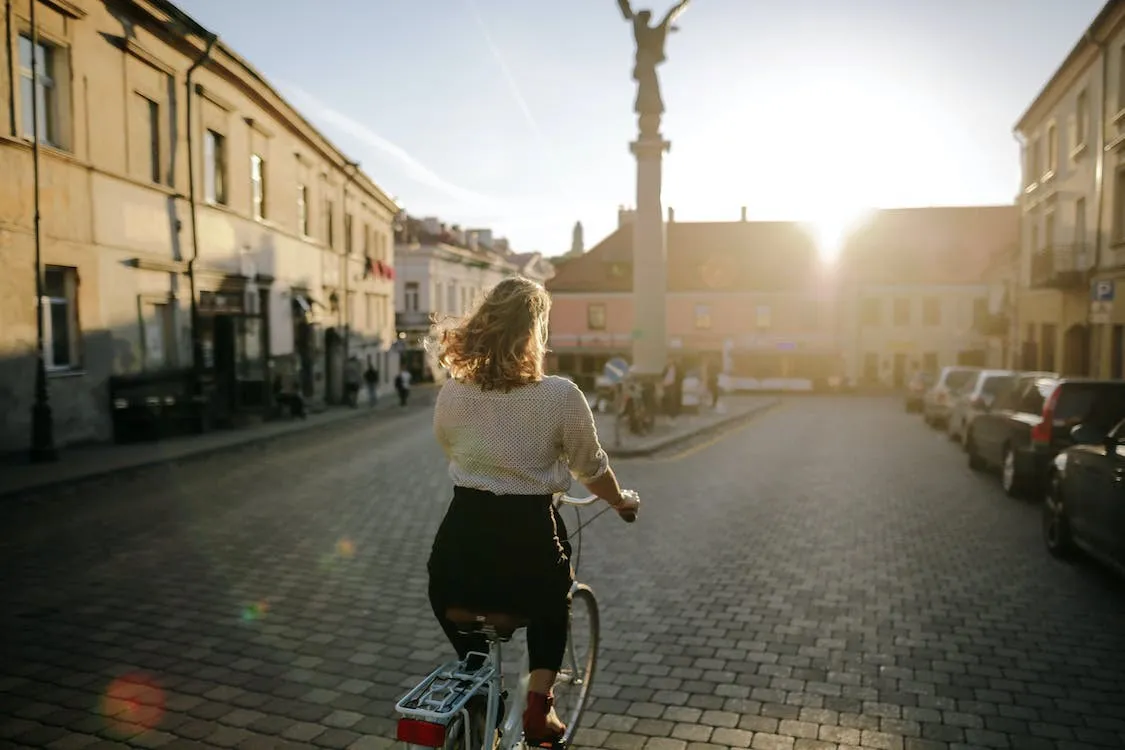
Electric cyclists or speed pedelecs
Although an electric bicycle or e-bike has a motor, it is not counted as a motor vehicle. As a result, an e-bike is in principle also a vulnerable road user and the same liability rules apply as for cyclists. A speed pedelec, on the other hand, is regarded as a motorised vehicle. In other words, the liability rules for a speed pedelec are much less favourable.
Differences between the e-bike and the speed pedelec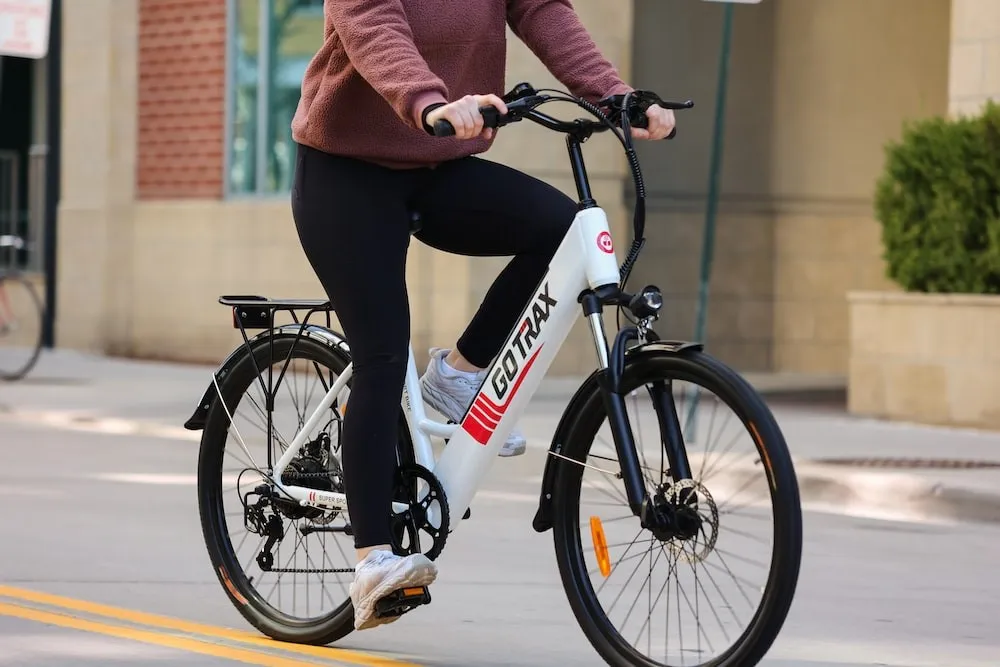
Electric scooter riders
An electric scooter, also called an e-step, is regarded as a motor vehicle. As a result, the rider of an electric scooter is almost always 50% (or more) liable in an accident with a vulnerable road user such as a cyclist or a pedestrian. It is also important to be well informed about the rules for the electric scooter, because the traffic rules naturally determine liability and causal apportionment.
All the rules for the electric scooter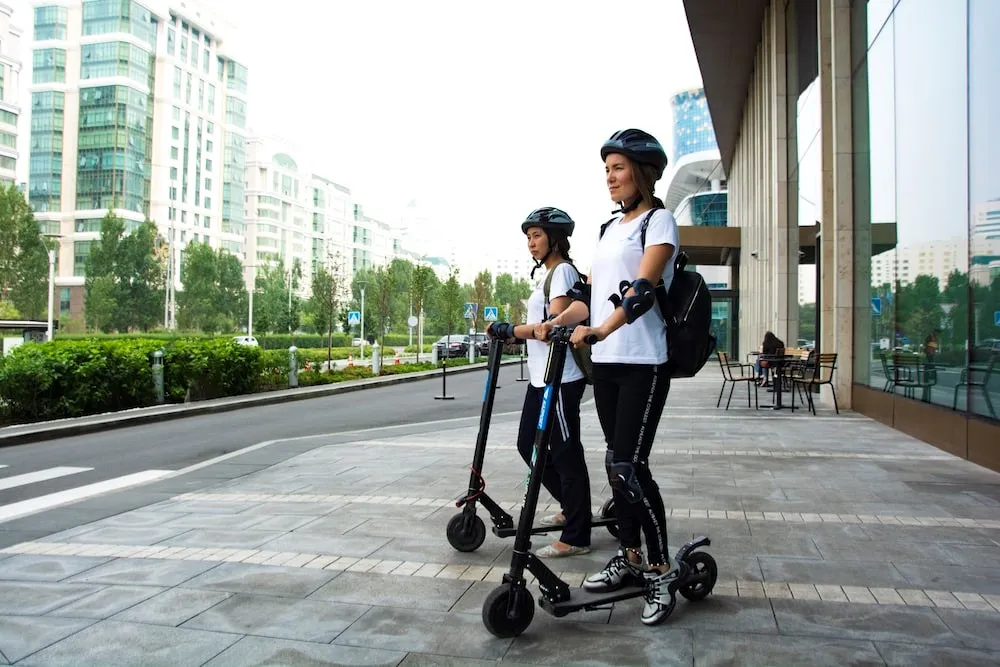
Scooter riders
In the Netherlands, the scooter is a popular way of getting around. A scooter is faster than a bicycle, you don't have to pedal and you are also very manoeuvrable in traffic. But a scooter has an engine, and that has consequences for liability. In a collision with a cyclist, the scooter rider is always at least 50% liable. In other words, it is important to pay close attention, especially on a shared cycle path.
Liability and damage in scooter accidents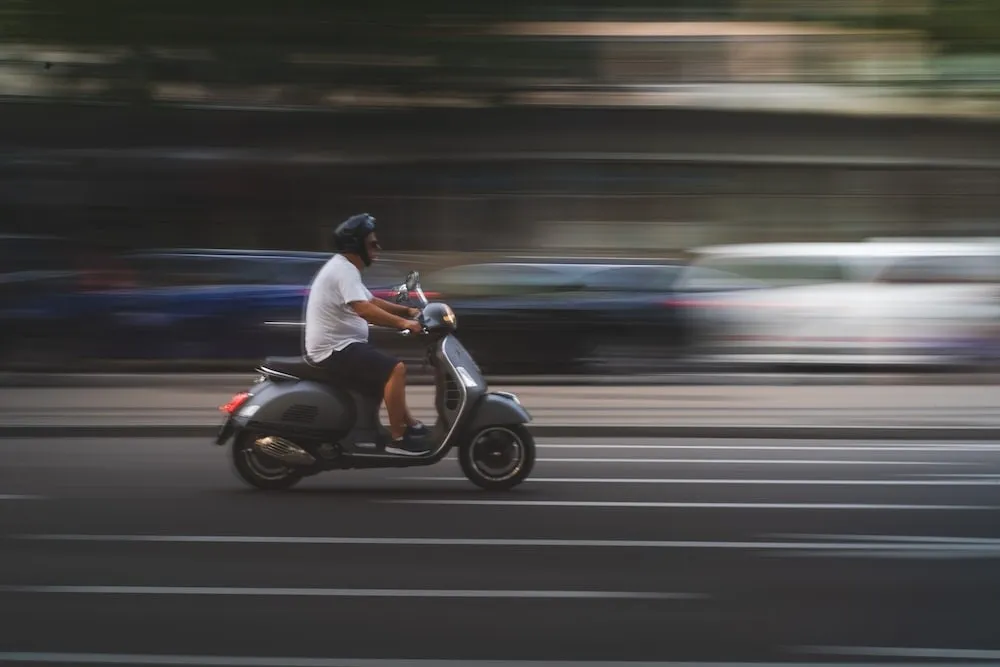
Mobility scooter users
The number of accidents involving mobility scooters is increasing. On the one hand, this has to do with the ageing population, which means there are more mobility scooter users on the road anyway. On the other hand, it is inherent to the user of the mobility scooter, a road user who often has slower reflexes. The liability regime of article 185 WVW does not apply to an accident between a car and a mobility scooter. A vehicle for disabled people such as a mobility scooter is therefore also a motor vehicle, and the same liability rules apply.
Everything about liability with mobility scooters and mobility scooter insurance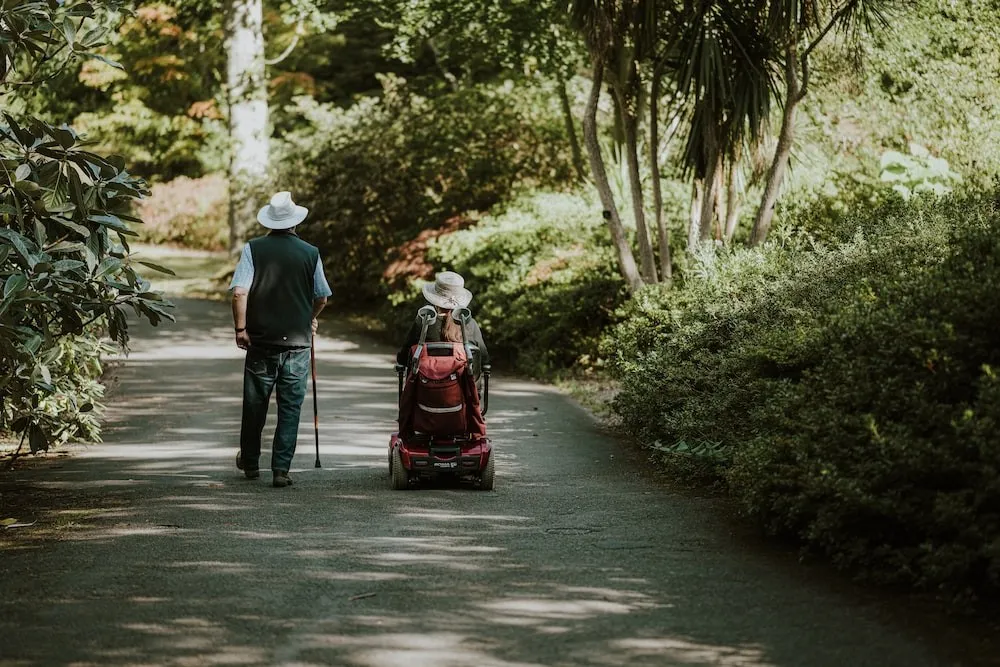
Tractor drivers
A tractor is a motorised vehicle, so the same liability rules apply as for a passenger car. Under article 185 WVW, the tractor driver is almost always at least 50% liable in an accident with a vulnerable road user. As far as the equity correction is concerned, the greater Betriebsgefahr (the danger inherent in operating the vehicle) of a tractor can be taken into account, leading to a less favourable obligation to pay compensation for the driver.
Everything about liability with tractors and tractor insurance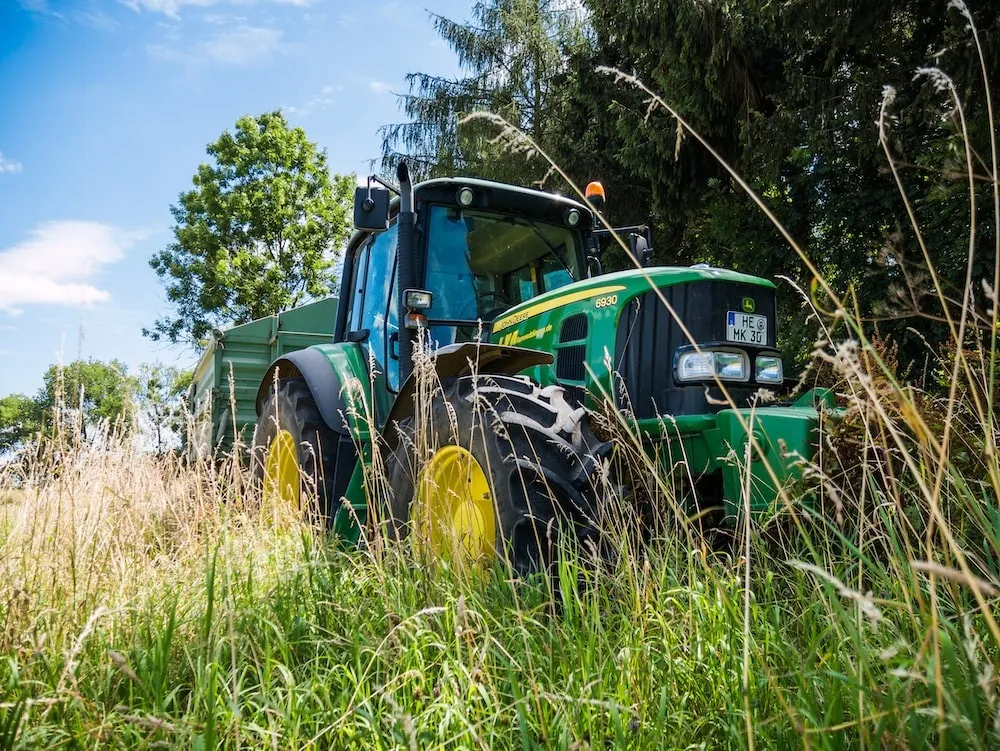
Lorry drivers
A lorry is a large and heavy vehicle that can cause a lot of damage. A lorry is also extra dangerous because of the blind spot in which a cyclist, a pedestrian or a scooter rider may be. In relation to the latter, and in relation to other strong road users, the normal liability rules apply, with the classic causal apportionment as the starting point. In relation to vulnerable road users, for example a cyclist or a pedestrian, a lorry driver is almost always at least 50% liable. When applying the equity correction, a court can take into account the extra danger that a lorry poses.
Everything about liability with lorries and lorry insurance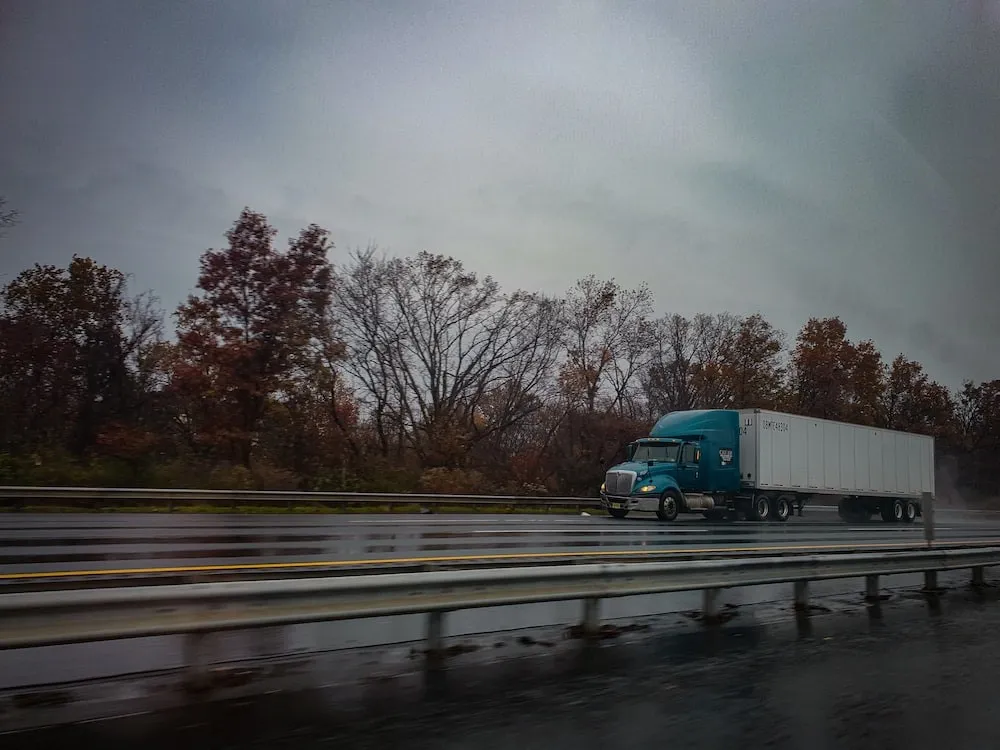
Taxi drivers
A taxi is a motorised vehicle, so the same liability rules apply as for other motor vehicles. In addition, a taxi carries passengers and there is a contract of carriage. This means that the passenger may expect to arrive at their destination safe and sound within a reasonable time. In addition to liability in traffic, liability under this contract of carriage must therefore also be taken into account.
Everything about the liability of taxis and taxi insurance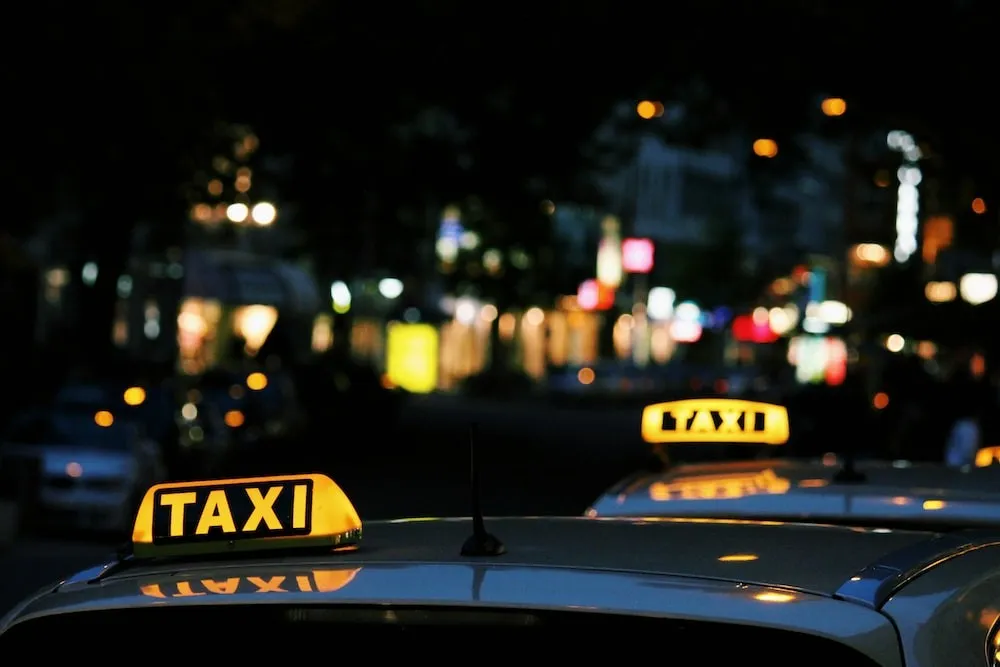
Public transport
Public transport includes buses, trams and trains, among other things. Vulnerable road users generally enjoy extra protection here. In addition to the traffic rules, the contract of carriage also plays a role: the transport company can also be liable for breaching its obligations under the contract of carriage. All of this makes liability in public transport extra complex.
Everything about liability in public transport
Drone operator or pilot
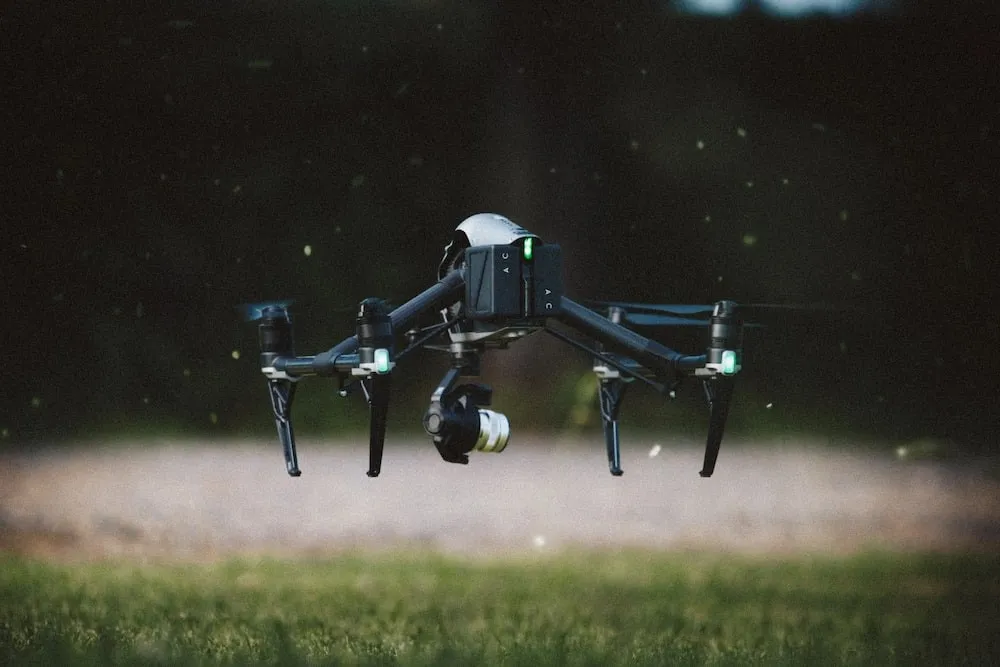
More and more people own a drone. A drone can be used to take great footage, but drones can also be dangerous. For example, they can fall onto a car or a passer-by. That is why there are very strict rules about where a drone may and may not be used. If a drone is not used lawfully and causes an accident, the drone operator or pilot may have to compensate the damage. That is why it is important to be well informed about the drone legislation that applies.
Everything about European drone legislationAlso read: Liability with quads.
Frequently asked questions about traffic liability
Traffic liability is particularly complicated. This is not only due to the complexity of traffic and the many traffic rules that apply, but also to the various liability rules in the Netherlands. It is far from unthinkable that people still have questions about so-called traffic liability. A number of frequently asked questions are answered below.
What is a vulnerable road user?
Vulnerable road users are road users who are extra vulnerable in traffic and who receive extra protection under the law. In short, these are non-motorised road users such as pedestrians and cyclists. A bicycle with pedal assistance up to 25 km/h is also a vulnerable road user, but a speed pedelec is not: it does not fall under the statutory definition of a bicycle with pedal assistance and is therefore a motor vehicle (article 1, paragraph 1, parts c and ea, Road Traffic Act 1994).
What is a strong road user?
According to the law, a strong road user is a motor vehicle. That is: a vehicle that is propelled exclusively or partly by mechanical power or by electric traction. Electric bicycles with pedal assistance and vehicles that run on rails (train and tram) are the statutory exception to the rule. Vulnerable road users are pedestrians, cyclists, people on kick scooters, skaters and the like. These parties are called vulnerable because they are more likely to suffer serious personal injury in an accident. Please note: an electric scooter or an electric skateboard, on the other hand, is a strong road user.
What is the equity correction?
The equity correction is an adjustment of the obligation to pay compensation on the grounds of reasonableness and fairness. The court can rule that a strict application of the liability rules is not reasonable, for example because the victim has suffered a very large amount of damage or because the person who caused the accident drives a very heavy and dangerous car. The court then adjusts the obligation to pay compensation.
When is there force majeure in a traffic accident?
There is force majeure in traffic if the driver drove without fault (or the fault is not relevant to the accident) and the mistakes of the other road user were so unlikely that the driver did not need to take them into account at all. The requirements of this strict definition of force majeure are not easily met.
When does article 185 WVW apply?
Article 185 WVW applies to a traffic accident between a motor vehicle and a non-motorised road user. In addition, this traffic accident must have caused damage and must have taken place on a public road.
What does the court take into account in the equity correction?
The court can take all relevant factors into account. In general, the court mainly considers the severity of the injury, the age of the victim, the consequences for the victim, the impact of the accident, the characteristics of the vehicle and whether or not there is insurance. In other words, the factors differ from case to case. Each case requires its own assessment.