Legal liability means that someone has to compensate another person's damage because the law says so. The main rule is in Article 6:162 BW: anyone who causes damage to another person through an unlawful act that can be attributed to them must compensate that damage.
Legal liability plays an important role both in everyday life and in the business world. It means that someone can be held responsible for damage that he or she causes to others, for example in traffic accidents and business errors. The rules on liability are laid down in the Dutch Civil Code (Burgerlijk Wetboek, BW) and can differ from one situation to another, depending on matters such as fault, negligence and risks. Insurance, such as third-party liability insurance (WA) and personal liability insurance (AVP), can offer protection against financial claims. The different forms of legal liability, the legal basis and the applicable insurance are discussed below. This page describes the situation in the Netherlands.
What is legal liability?
Legal liability is the legal concept whereby a person or entity is held responsible for damage they have caused to someone else. This principle is laid down in civil law and can arise from various situations, such as negligence, unlawful conduct or a specific statutory obligation. In general, legal liability means that an injured party can claim compensation from the person responsible for the damage. This can include both material and non-material damage. In many cases, the liability is covered by means of insurance, such as legal liability insurance for private individuals or businesses. This legal liability can arise from your own actions, but also from responsibility for others, such as employees, children or animals. In addition, certain things, such as buildings or hazardous substances, can involve a liability risk.
Legal liability for products
Manufacturers and importers can be held legally liable for damage caused by a defective product. This is governed by article 6:185 and following of the Civil Code, which are based on European Directive 85/374/EEC. That directive is being replaced by Directive (EU) 2024/2853, which applies to products placed on the market on or after 9 December 2026 and has been adapted to new digital technologies. The Dutch bill to implement the new directive (Implementatiewet richtlijn herziening productaansprakelijkheid, 36906) was passed by the House of Representatives (Tweede Kamer) on 15 October 2026; the Senate (Eerste Kamer) was due to pass it as a formality (hamerstuk) on 10 November 2026 (as at 9 November 2026, source: Eerste Kamer). A product is considered defective when it does not offer the safety that one is entitled to expect from it. This may be the case, for example, with manufacturing defects, design defects or inadequate warnings and instructions for use. If a consumer suffers damage due to such a product, the manufacturer can be held liable without the consumer having to prove that there was fault or negligence. This is called strict liability. In addition to the manufacturer, importers and suppliers can also be held liable under certain circumstances.
More about legal liability for products
Legal liability for employees and subordinates
Employers can be held legally liable for damage that their employees cause while carrying out their work. On the one hand, this principle is based on the idea that an employer benefits from the work of its employees and must therefore also bear the risks involved. With regard to the employee themselves, the principle that the employer is responsible for working conditions also plays a part, and so the employer must also bear the consequences if these are not sufficiently safe. An employer is liable towards third parties if the damage was caused by an error on the part of the employee and if this error is connected with the work assigned. This liability towards third parties is laid down in article 6:170 BW. The employer cannot escape it by demonstrating that he took sufficient measures. That defence does exist for damage that the employee himself suffers in the course of his work: the employer is then liable, unless he shows that he has fulfilled his duty of care or that the damage is to a significant extent the result of intent or deliberate recklessness on the part of the employee (article 7:658(2) BW). Intent or deliberate recklessness on the part of the employee is also relevant to the question of whether the employer can recover the damage from the employee (article 6:170(3) and article 7:661 BW).
More about the legal liability of employers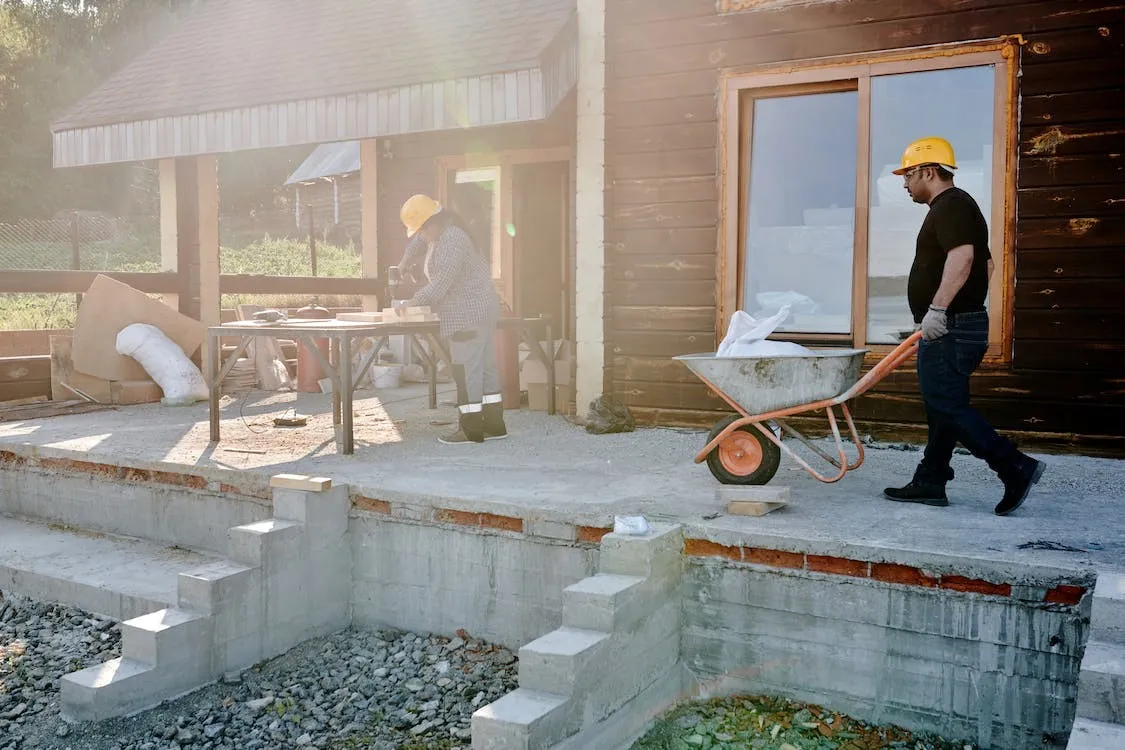
Legal liability for children
Parents and guardians can be held legally liable for damage caused by their minor children. In the Netherlands, this liability is governed by the Civil Code. Much depends on the age of the child. For children up to and including the age of 13, strict liability applies: parents or guardians are always liable, regardless of whether they themselves are to blame. This means that the injured party can hold the parents directly liable for the damage suffered. For children aged between 14 and 15, it is more complex: the child can be held liable itself, but the parents can also be held liable if they did not prevent the damage. From the age of 16, the child is in principle fully liable for his or her own actions, but there are also exceptions.
| Age | Is the child liable itself? | Are the parents liable? |
|---|---|---|
| 0 up to and including 13 | No (Art. 6:164 BW) | Yes, strict liability (Art. 6:169(1) BW) |
| 14 and 15 | Yes (Art. 6:162 BW) | Yes, unless they cannot be blamed for not having prevented the conduct (Art. 6:169(2) BW) |
| 16 and older | Yes | In principle not under Art. 6:169 BW |

Legal liability for animals
The possessor of an animal can be held legally liable for damage caused by the animal. This falls under what is known as strict liability. This means that the possessor is responsible, even if he is not to blame for the animal's behaviour. The law assumes that animals can display their own unpredictable behaviour and that the possessor must bear the risk of this. The liability applies to pets as well as to livestock or other animals that are kept. Examples of situations in which this liability plays a role are when a dog bites a passer-by, a horse bolts and causes damage, or a cat knocks over an expensive vase in someone else's home. Even if an animal escapes by accident and causes damage, the possessor remains liable in most cases. More about liability for damage caused by pets.
More about legal liability for animals
Legal liability for motor vehicles
This liability is laid down in the Motor Insurance Liability Act (Wet Aansprakelijkheidsverzekering Motorrijtuigen, WAM). Under article 2 of this act, the possessor (bezitter) of a motor vehicle and the person in whose name it is entered in the vehicle registration register (the registered keeper, kentekenhouder) are obliged to take out third-party liability insurance (WA), so that victims of traffic accidents can be sure of appropriate compensation. In certain cases, such as hire purchase, this obligation rests not on the possessor but on the keeper (houder). The liability applies not only to the owner of the vehicle, but also to others who drive the vehicle with the owner's permission. In traffic accidents, liability is assessed on the basis of fault and traffic rules. For more vulnerable road users, article 185 of the Road Traffic Act 1994 (Wegenverkeerswet 1994, WVW) also applies: if a motor vehicle is involved in a traffic accident causing damage to persons or property not being carried by that motor vehicle, the owner or keeper must compensate that damage, unless it is plausible that the accident was due to force majeure. This does not apply to damage to another motor vehicle in motion or to animals running loose. In this way, extra protection is offered to more vulnerable road users, such as pedestrians and cyclists.
More about legal liability for motor vehicles
Legal liability based on unlawfulness
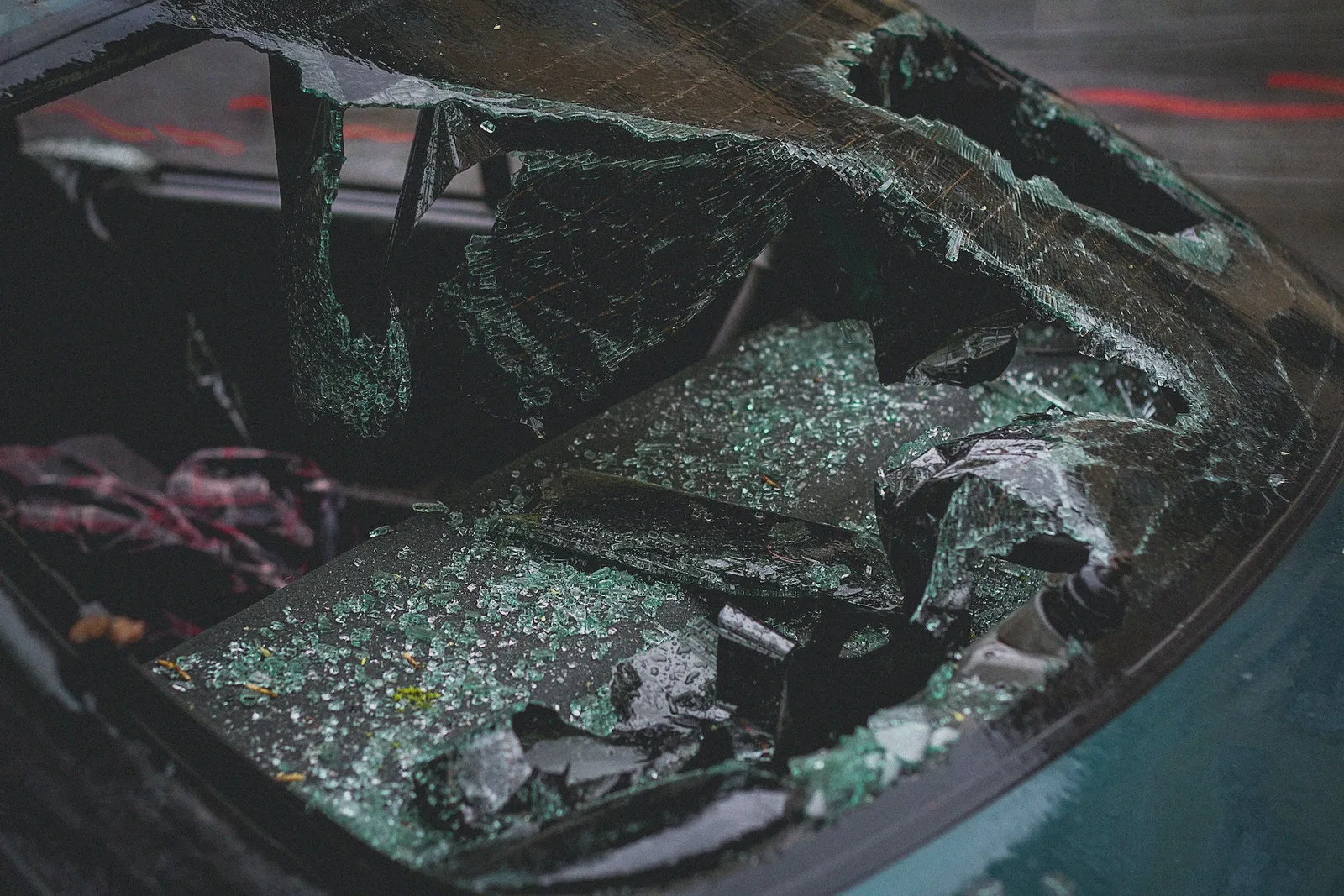
Legal liability can arise when someone causes damage to another person through an unlawful act (tort). This forms the basis of many civil liability cases. An unlawful act can take different forms, such as breaching a statutory standard, acting contrary to the standard of care expected in society, or infringing someone else's right. To establish liability, there must be unlawful conduct, attributability, damage and a causal link between the act and the damage. A classic example of an unlawful act is damage caused by vandalism or destruction of property. But business conduct can also fall under this, such as spreading misleading information that causes someone to suffer financial loss.
Legal liability for hazardous substances
The possession, use and transport of hazardous substances involve risks. That is why people and businesses that manage hazardous substances can be held legally liable for damage caused by them. This falls under the heading of strict liability. This means that the owner or manager of the substances is liable, regardless of whether he is at fault in any way. Hazardous substances include chemical agents, explosives, radioactive material and flammable gases. One example is a company that stores a chemical substance and where a leak causes environmental damage. This strict liability regime aims to protect victims better and to encourage companies to take the highest safety measures.
More about legal liability for hazardous substances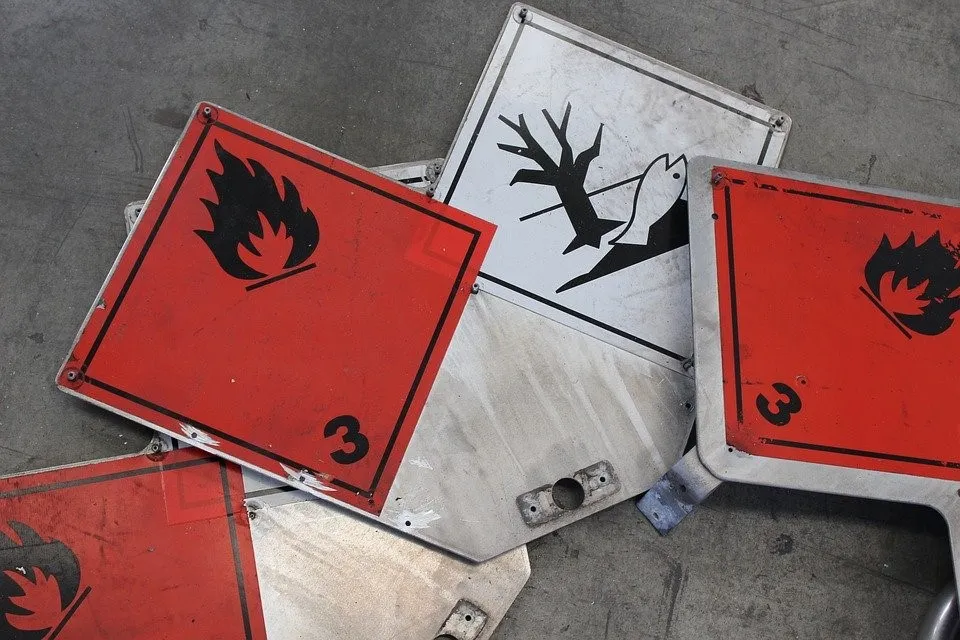
Legal liability for immovable property
Owners and users of immovable property (buildings and land) can be held legally liable for damage resulting from defects in this property. In practice, this means that an owner is liable even if he was not aware of the defect. Immovable property is considered defective if it does not meet the requirements that may be set for it and therefore poses a danger. Examples: a loose roof tile that causes damage, a poorly maintained balcony that collapses, or a slippery shop floor on which someone slips. The owner of the building is then liable for the damage caused. This liability rule ensures that owners and managers of immovable property pay sufficient attention to maintenance and safety. Many people cover this risk with business liability insurance or buildings insurance.
More about legal liability for immovable property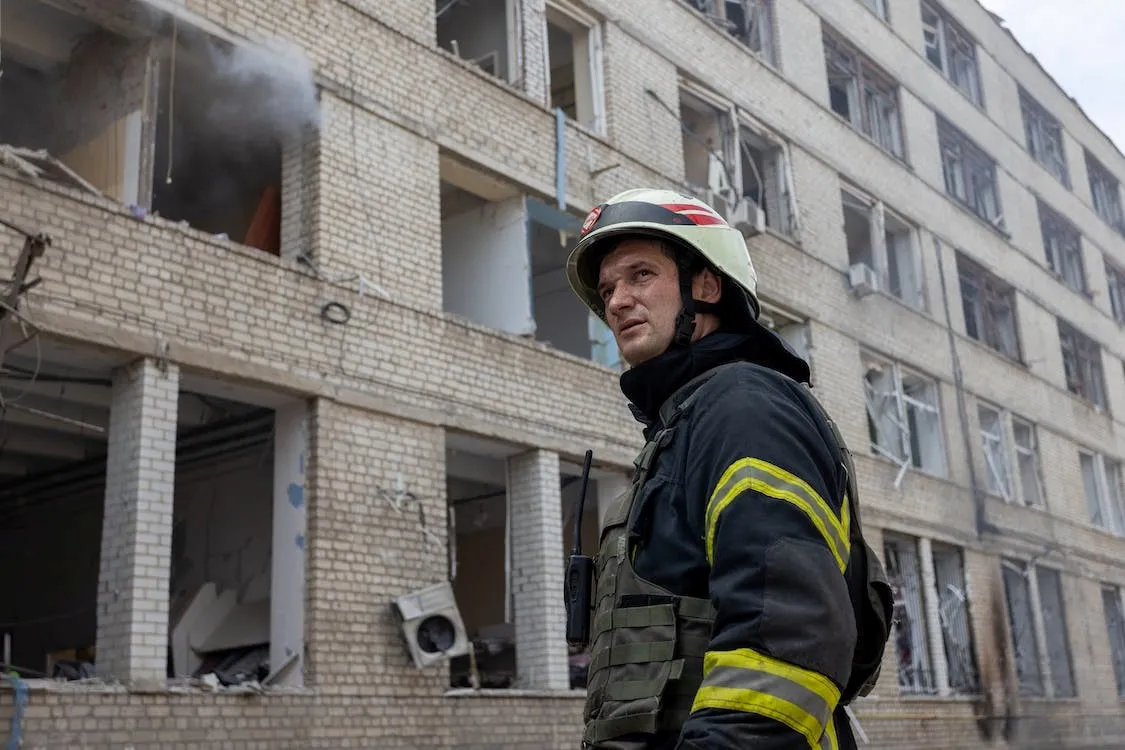
Legal liability for landfill sites and mining works
Owners and operators of landfill sites and mining works can be held legally liable for damage resulting from the operation of these sites. Landfill sites can cause environmental damage and health risks through soil pollution, leakage of harmful substances or greenhouse gas emissions. Mining works, such as gas and oil fields or coal mines, can cause earthquakes, land subsidence or settlement, which can cause damage to surrounding buildings and infrastructure. Well-known examples in the Netherlands are the earthquake damage caused by gas extraction in Groningen and soil contamination at old landfill sites. The strict liability regime is intended to protect local residents and the environment.
More about legal liability for landfill sites and mining works
Legal basis for legal liability
The legal basis for legal liability differs from one situation to another. In the Netherlands, this is largely governed by the Civil Code. The Civil Code distinguishes between strict liability (risicoaansprakelijkheid) and fault-based liability (schuldaansprakelijkheid). With strict liability, someone is responsible regardless of whether there is fault, whereas with fault-based liability the person who caused the damage must actually have acted negligently or culpably.
In addition to the Civil Code, there are specific laws and directives that govern liability in certain situations, such as the Motor Insurance Liability Act (WAM) and the Environment and Planning Act (Omgevingswet), into which a large part of the Environmental Management Act (Wet milieubeheer) has been incorporated since 1 January 2024. European legislation, such as the Product Liability Directive (85/374/EEC, replaced by Directive (EU) 2024/2853 for products placed on the market from 9 December 2026), also influences Dutch liability rules. Moreover, Dutch courts base their rulings not only on legislation, but also on the case law of the Court of Justice of the European Union and the Supreme Court of the Netherlands (Hoge Raad), which have established important legal developments over the years.
| Situation | Legal article | Fault or strict liability | Usual insurance |
|---|---|---|---|
| Unlawful act (general rule) | Art. 6:162 BW | Fault | AVP or AVB |
| Mistake by an employee | Art. 6:170 BW | Strict (for the employer) | AVB |
| Child under 14 | Art. 6:169(1) BW | Strict (for the parents) | Parents' AVP |
| Child aged 14 or 15 | Art. 6:169(2) BW | Fault of the parents, who must show that they are not to blame | Parents' AVP |
| Defective building or structure | Art. 6:174 BW | Strict | Buildings insurance or AVP |
| Animal | Art. 6:179 BW | Strict | AVP |
| Hazardous substance | Art. 6:175 BW | Strict | AVB |
| Defective product | Art. 6:185 BW | Strict (for the manufacturer) | AVB with product liability |
| Motor vehicle against a pedestrian or cyclist | Art. 185 of the Road Traffic Act 1994 (Wegenverkeerswet 1994, WVW 1994) | Strict, unless force majeure | Third-party liability insurance (WA, under the WAM) |
The most important laws and articles on legal liability are shown below:
- Article 6:162 BW: Unlawful act and fault-based liability
- Article 6:170 BW: Liability for employees and subordinates
- Article 6:171 BW: Liability for non-subordinates (contractors)
- Article 6:172 BW: Liability for representatives
- Article 6:173 BW: Liability for defective objects
- Article 6:174 BW: Liability for buildings and structures
- Article 6:175 BW: Liability for hazardous substances
- Article 6:176 BW: Liability for landfill sites
- Article 6:177 BW: Liability for mining works
- Motor Insurance Liability Act (WAM)
- Article 6:185 et seq. BW: Product liability
- Environment and Planning Act (Omgevingswet) and Environmental Management Act (Wet milieubeheer)
- Working Conditions Act (Arbeidsomstandighedenwet)
- Product Liability Directive (85/374/EEC) and, for products placed on the market from 9 December 2026, Directive (EU) 2024/2853
- Environmental Liability Directive (2004/35/EC)
Legal liability and holding someone liable
Anyone who wants to hold someone liable for damage suffered does so by means of a written notice of liability (aansprakelijkstelling). In this letter, the injured party explains whom they are holding liable, on what legal basis, and what damage they have suffered. A correct notice of liability is important, because it is the first step in a legal process and can contribute to quick payment and correct calculation of the compensation. It gives the party held liable the opportunity to acknowledge the damage and possibly compensate it, without legal proceedings being needed straight away. A notice of liability must be clear and complete. State the relevant facts, the legal basis (for example an article of the Civil Code), the causal link between the event and the damage, and a reasonable period within which the other party must respond.
All about holding someone liableLegal liability and compensation
When someone is held legally liable, the injured party can claim compensation. The legal basis for this is laid down in Article 6:162 of the Civil Code (unlawful act; see above) and various other liability provisions. Compensation can include both material and non-material damage and aims to restore the victim to the original situation as far as possible. Material damage includes all directly demonstrable financial losses, such as medical costs, repair costs, loss of income and damage to property. Non-material damage, also known as smartengeld (compensation for pain and suffering), is awarded for mental or physical suffering, such as pain, grief or damage to reputation. The amount of compensation is assessed on the basis of the circumstances of the case, case law and the severity of the damage.
Also read: Liability and vaccination.
Insuring legal liability
Legal liability can have major financial consequences, both for private individuals and for businesses. A damages claim can run into thousands, tens of thousands, hundreds of thousands or even millions of euros! This is particularly the case when personal injury or substantial material damage is involved. To cover this risk, there are various types of liability insurance. These policies offer cover against damages claims arising from legal liability. They prevent the liable party from having to bear the costs themselves.
Third-party liability insurance (WA)
Third-party liability insurance (Wettelijke Aansprakelijkheidsverzekering, WA) is compulsory insurance for owners of motor vehicles. This insurance covers damage caused to third parties with a vehicle, such as in a traffic accident. This can involve damage to other vehicles, infrastructure or personal injury to other road users. The cover is laid down by law in the Motor Insurance Liability Act (WAM) and applies to all motorised vehicles, such as cars, motorcycles and scooters. Without third-party liability insurance, a vehicle may not be used on the public road. However, damage to your own vehicle is not covered by this insurance. For that, additional insurance is needed, such as limited casco insurance or fully comprehensive (all-risk) insurance.
More about third-party liability insurance (WA)Personal liability insurance (AVP)
Personal liability insurance (Aansprakelijkheidsverzekering voor Particulieren, AVP) offers cover for damage that the insured person, their family members or pets accidentally cause to others. This can be material damage, such as a vase knocked over at a friend's house, or personal injury. Damage caused with a bicycle is also covered. Personal liability insurance is not compulsory, but it is strongly recommended. Most Dutch people therefore have this insurance. Damage caused by minor children is also covered. The insurance usually applies worldwide, but there are also exceptions for specific situations. Personal liability insurance only covers damage to third parties and not to the insured person or their own possessions. At large providers, liability is usually insured up to €2.5 million per event. Almost always excluded are damage caused intentionally, damage to one's own belongings and damage with or by a motor vehicle; that is what third-party liability insurance (WA) is for (sources: Interpolis, Centraal Beheer and Univé, checked on 9 November 2026). Most Dutch insurers offer their website and policy documents in Dutch only.
More about personal liability insurance (AVP)Professional indemnity insurance
Professional indemnity insurance protects professionals against damages claims arising from professional errors, negligence or incorrect advice. This insurance is particularly relevant for professions in which the financial consequences of mistakes can be large, such as lawyers, accountants, architects and medical specialists. When a client suffers financial loss due to incorrect advice or a professional error, he can hold the professional liable. Professional indemnity insurance covers the damage and any legal costs. In some sectors this insurance is compulsory; in other sectors it is above all strongly recommended.
More about professional indemnity insuranceBusiness liability insurance
Business liability insurance covers damage that a company or its employees cause to third parties in the course of business. This can be material damage, personal injury or damage caused by products and services. For example: a customer slips in a shop and breaks his arm, or an employee causes damage at a customer's premises during an installation. Without business liability insurance, an entrepreneur can be held liable and have to pay for this damage. This insurance is not compulsory by law, but it is strongly recommended for, among others, self-employed persons without staff (zzp'ers) and freelancers.
More about business liability insuranceLegal liability versus contractual liability
Liability can arise in two ways: from the law (legal liability) or from an agreement (contractual liability). Legal liability arises when someone causes damage through an unlawful act, such as negligence, reckless behaviour or a dangerous situation. This applies regardless of whether there is a contractual relationship between the parties. Examples are a traffic accident or damage caused by a defective product.
Contractual liability, on the other hand, arises when a party fails to fulfil a contractual obligation, such as not delivering a product or not carrying out agreed work. This is governed by Article 6:74 BW. The injured party must demonstrate that the other party has breached its contractual obligations and that this has caused damage. An important exception is force majeure (overmacht, Article 6:75 BW), whereby the debtor is not liable if he could not fulfil the obligation due to unforeseen circumstances.
| Feature | Legal liability | Contractual liability |
|---|---|---|
| Legal basis | Article 6:162 BW (unlawful act) | Article 6:74 BW (breach of contract) |
| Arises from | Unlawful conduct without a contract | Failure to fulfil a contractual obligation |
| Burden of proof | Injured party must prove unlawfulness and damage | Injured party must prove breach of contract and damage |
| Limitation of liability | Not possible, but the liability can be insured | Can be limited contractually through general terms and conditions |
| Examples | Traffic accident, damage due to negligence and product liability | Goods not delivered, defective services and breach of contract |
Compare liability insurance (in Dutch) →
Frequently asked questions about legal liability
The concept of legal liability is not unimportant, but it is very complex. It can apply in various situations and it can have far-reaching consequences. It is therefore important to be well informed, especially for anyone faced with a notice of liability or a damages claim. Below are the answers to a number of frequently asked questions about legal liability.
Can I be held legally liable if I cause damage while doing volunteer work?
Yes, in principle a volunteer can be held personally liable for damage they cause while doing volunteer work. Often, however, volunteer insurance is arranged. Moreover, the organisation for which the volunteer work is done also bears responsibility if the volunteer was acting on the instructions of that organisation.
Am I liable if I help someone and accidentally cause damage?
In the Netherlands, the "Good Samaritan rule" applies. This means that anyone who helps someone in an emergency and accidentally causes damage in doing so is not automatically liable. However, there are limits to this. In other situations, the helper can be liable for damage caused, even when helping without receiving any payment for it.
Can I be held liable if someone slips on my property and is injured?
Yes, the owner or tenant of a building or property has a duty of care to prevent dangerous situations. If someone falls due to poor maintenance (such as a slippery floor without a warning), you can be held liable for this.
How long after the damage occurs can someone hold me liable?
The limitation period for liability claims is usually 5 years from the moment the injured party becomes aware of the damage and the party responsible. However, there is an absolute limitation period of 20 years after the event that caused the damage.
Can an association or foundation be held legally liable?
Yes, an association or foundation can be held liable for damage resulting from its activities. In certain cases, the directors can also be held personally liable, for example in the event of mismanagement or negligent conduct.
What if the liable party has no money to pay for the damage?
If the liable party is financially unable to pay for the damage, the injured party can sometimes receive compensation through insurance (for example the offender's third-party liability insurance). In some cases, victims of violent crimes can claim compensation from the Violent Crimes Compensation Fund (Schadefonds Geweldsmisdrijven). In other cases, it becomes difficult to get the compensation paid. Engaging a bailiff (deurwaarder) can sometimes offer a solution.